
TAKE A MOMENT TO BREATHE…
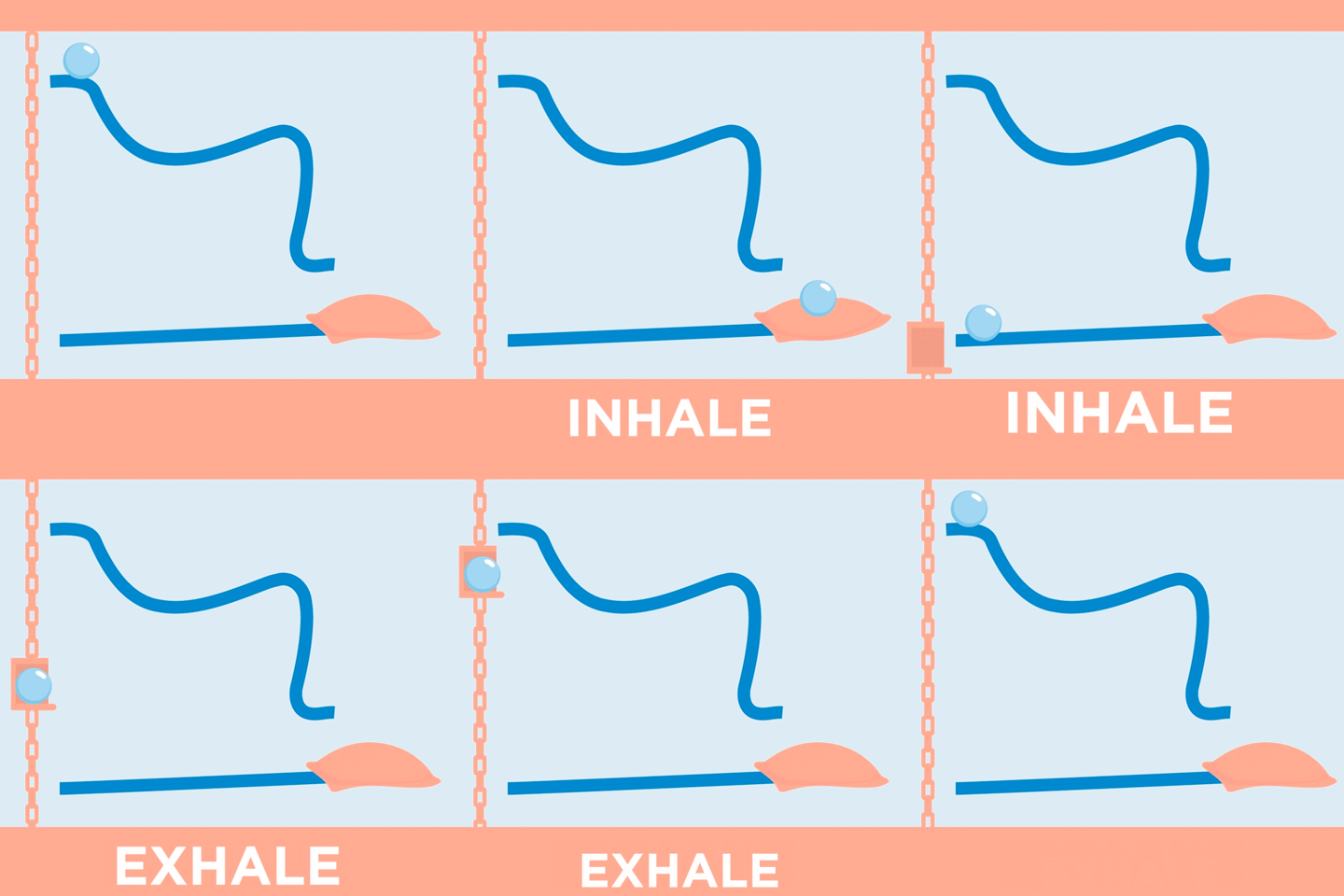
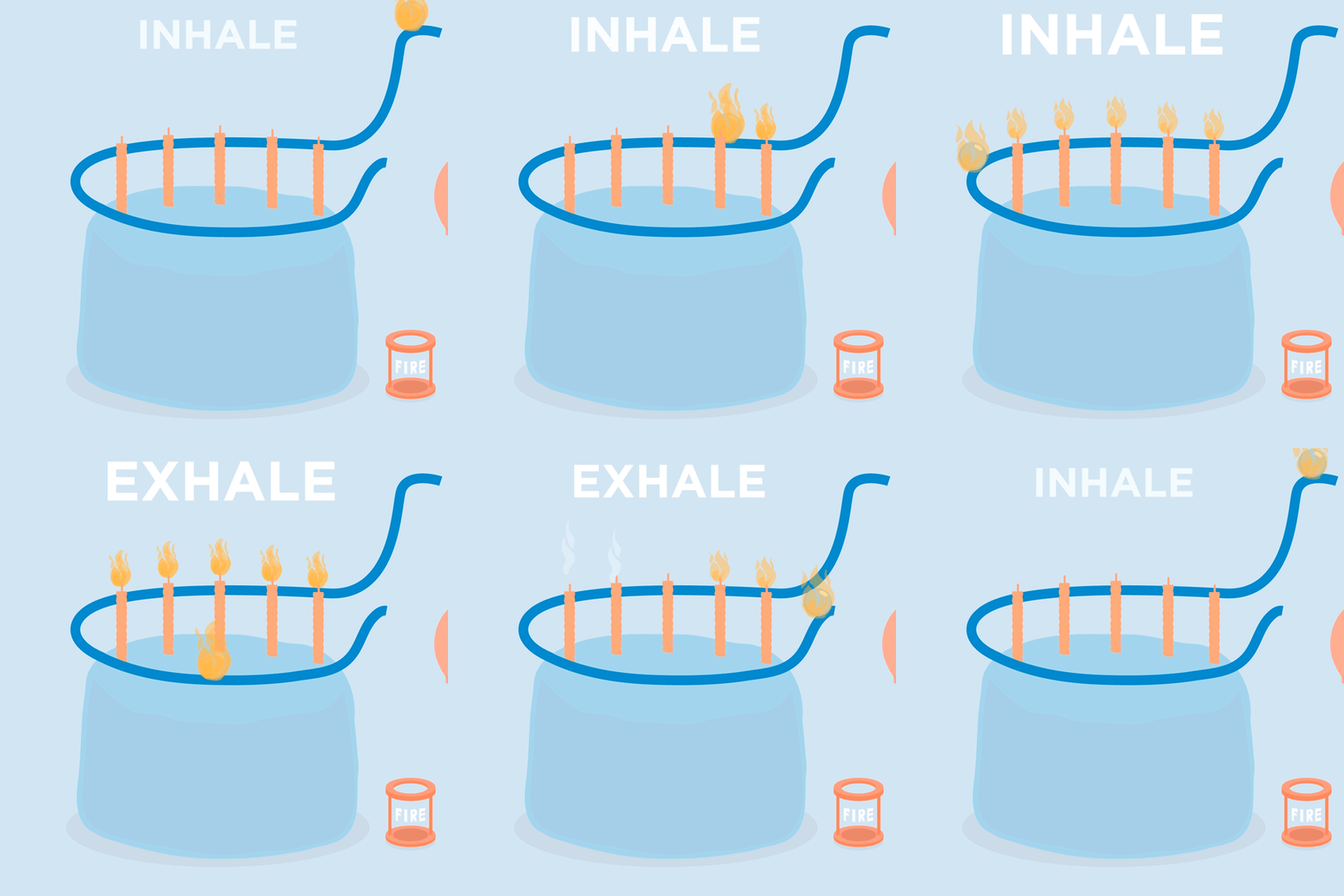
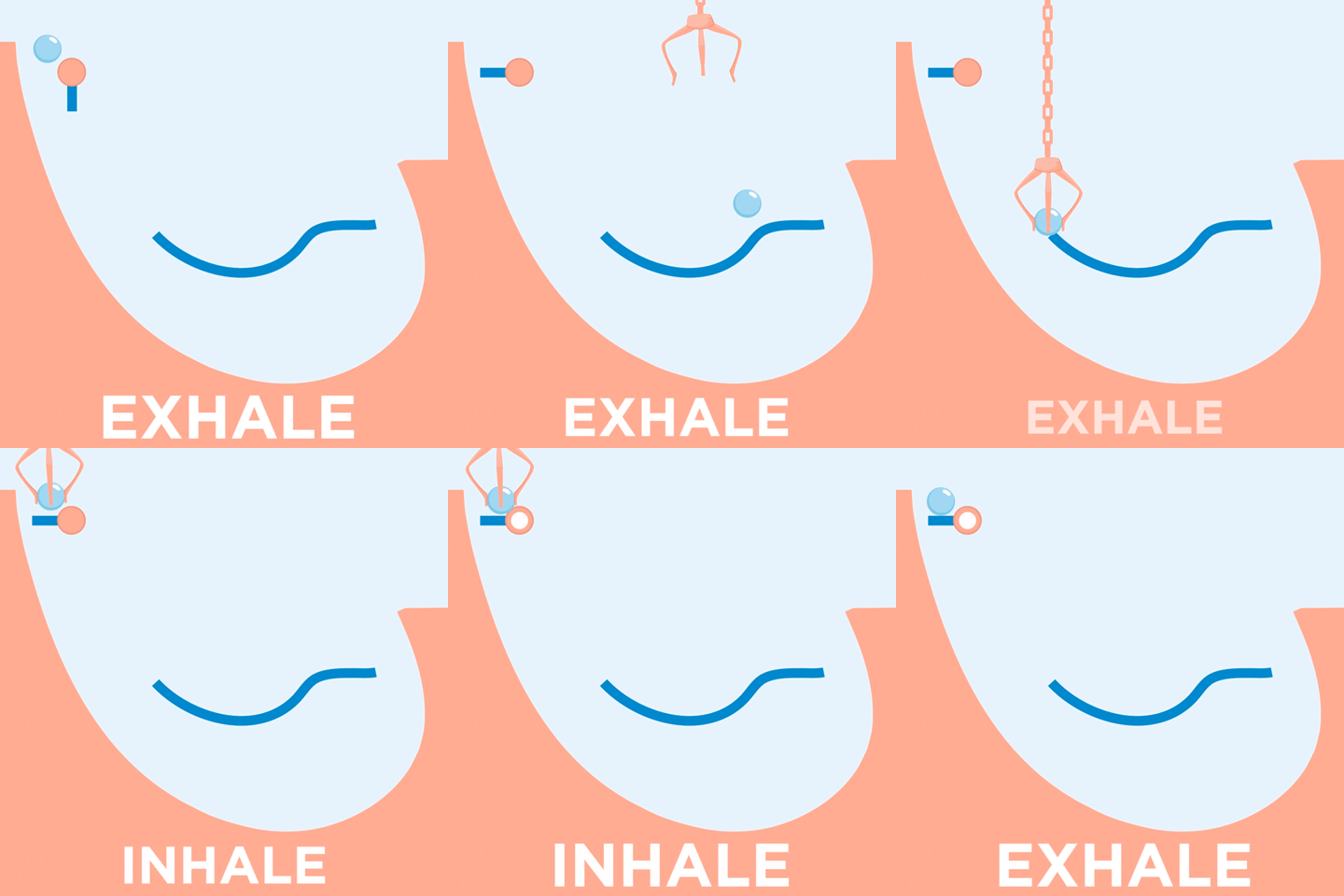
Benefits of a Daily Practice in Mindful Breathing
A regular mindful breathing practice (often called “breathwork”) is a free!, valuable, accessible, and low-risk self-care and coping skill to add to your personal toolkit.
Reductions in stress, anxiety, and depressive symptoms: event brief daily sessions has proven clinically meaningful benefits in mental health symptoms (e.g., as short as 3 to 5 minutes, eventually building up to 10–20 minutes).
Nervous System Regulation: slow breathing techniques (typically <10 breaths/minute) encourages increased heart rate variability (HRV) and parasympathetic tone… fancy clinical speak for building capacity in your nervous system to be flexible and resilient when facing stress.
Cognitive & Emotional Improvements: slow breathing is also associated with increasing feelings of comfort, relaxation, alertness, and vigor. It also reduces feelings of anger and confusion.
Breathwork is free, requires zero equipment, and can be practiced anywhere. It’s one of the most accessible mental health tools available to us! Even sessions as brief as 2 minutes have produced measurable reductions in state anxiety. Pretty sure, I’ve sat at traffic lights longer than that. ;-)
Note: Mindful breathing practices are meant to be a complement to, not a replacement for, established treatments like psychotherapy and pharmacotherapy. Watch out for symptoms of hyperventilation (see below).
-
Breathing exercises are generally very safe and are recommended as a helpful tool for managing stress and anxiety. However, it is possible to accidentally breathe too fast or too deeply — this is called hyperventilation — especially when you are first learning.
What is hyperventilation?
Hyperventilation happens when you breathe faster or more deeply than your body needs. This causes too much carbon dioxide to leave your body too quickly, which can temporarily change your blood chemistry and trigger uncomfortable symptoms.
Signs to watch for:
Dizziness or lightheadedness
Tingling or numbness in your hands, feet, or around your mouth
Feeling short of breath (even though you are breathing)
Chest tightness or discomfort
Feeling faint or "spacey"
Increased heart rate or heart pounding
What to do if this happens:
Stop the breathing exercise immediately.
Return to your normal, natural breathing — do not try to force it.
If tingling or dizziness continues, gently cup your hands over your nose and mouth and breathe into them for 1–2 minutes. This helps restore your carbon dioxide levels.
Sit or lie down until you feel normal again.
Let your counselor know at your next session so the technique can be adjusted for you.
Tips to prevent hyperventilation:
Breathe gently. The goal is slow and soft, not big and forceful.
Focus on your belly rising and falling, not your chest. If your shoulders are moving up and down, you are likely breathing too hard.
Start with shorter practice sessions (2–5 minutes) and build up gradually.
If a breath-hold feels uncomfortable, skip it or shorten it. Never force a hold.
Breathe through your nose whenever possible — this naturally slows your breathing and makes it harder to over-breathe.
When to talk to your clinical mental health counselor or doctor first:
Please let your clinican know before starting a breathing practice if you have any of the following:
A history of panic attacks or panic disorder
Asthma, COPD, or other lung conditions
Heart conditions or high blood pressure
A history of fainting or seizures
Pregnancy
Any condition that affects your breathing
Remember: Breathing exercises should feel calming, not stressful. If a technique does not feel right for you, that is okay — there are many different approaches, and your counselor can help you find the one that works best.
Disclaimer: This page is for informational purposes only and does not replace professional medical or mental health advice. Always consult your healthcare provider with questions or concerns.
-
Shepardson RL, Khan JS, Funderburk JS. I’m Concerned About Anxiety—What Do I Need to Know? JAMA Intern Medicine. Published Online May 04, 2026. https://doi.org/10.1001/jamainternmed.2026.0392
Fincham, G. W., Strauss, C., Montero-Marin, J., & Cavanagh, K. (2023). Effect of breathwork on stress and mental health: A meta-analysis of randomised-controlled trials. Scientific Reports, 13(1), 432. https://doi.org/10.1038/s41598-022-27247-y
Chai, J., Li, S., He, L., Yang, J., Wu, T., Ou, K., Chen, X., Ma, K., & Zhao, S. (2025). Clinical application of abdominal breathing training and evaluation of physical and mental benefits in anxiety patients. Frontiers in Psychology, 16, 1695622. https://doi.org/10.3389/fpsyg.2025.1695622
Zaccaro, A., Piarulli, A., Laurino, M., Garbella, E., Menicucci, D., Neri, B., & Gemignani, A. (2018). How Breath-Control Can Change Your Life: A Systematic Review on Psycho-Physiological Correlates of Slow Breathing. Frontiers in Human Neuroscience, 12, 353. https://doi.org/10.3389/fnhum.2018.00353
Little, Abbie, Matthew Stainer, Alex MacQuarrie, Nicola Wiseman, and Brian Haskins. 2026. “Examining the Effectiveness of Breathwork to Improve Resilience and Psychological Wellbeing While Reducing Anxiety, Depression, Stress, and Insomnia in Paramedicine Students: A Single-Blind Randomised Controlled Trial,” Stress and Health: e70161. https://doi.org/10.1002/smi.70161.
Hooi, L. Y., Chen, P. L., Tan, K. W., de Vries, M., & Wong, H. K. (2025). Effects of mindfulness breathing meditation on stress and cognitive functions: a heart rate variability and eye-tracking study. Scientific reports, 15(1), 37185. https://doi.org/10.1038/s41598-025-23727-z
Zaccaro, A., Piarulli, A., Laurino, M., Garbella, E., Menicucci, D., Neri, B., & Gemignani, A. (2018). How Breath-Control Can Change Your Life: A Systematic Review on Psycho-Physiological Correlates of Slow Breathing. Frontiers in human neuroscience, 12, 353. https://doi.org/10.3389/fnhum.2018.00353
Little, A. L.2025. “The A52 Breath Method: A Narrative Review of Breathwork for Mental Health and Stress Resilience.” Stress and Health: e70098. https://doi.org/10.1002/smi.70098.
Chai, J., Li, S., He, L., Yang, J., Wu, T., Ou, K., Chen, X., Ma, K., & Zhao, S. (2025). Clinical application of abdominal breathing training and evaluation of physical and mental benefits in anxiety patients. Frontiers in psychology, 16, 1695622. https://doi.org/10.3389/fpsyg.2025.1695622