

Therapy for Chronic Pain, Illness & Medical Trauma
Specialized support for medical trauma recovery, navigating life with chronic pain, adjusting to disability identity, and survivors of iatrogenic harm in Tacoma, the surrounding Puget Sound Corridor, and across Washington State.
Finding Relief, Resilience, and Meaning When Your Body is Hurting
Living with chronic pain or a long-term illness is rarely just about physical symptoms. It is an emotional journey that can feel profoundly isolating. You may be navigating the grief of losing your previous level of health, the constant anxiety of unpredictable flare-ups, or the exhaustion of fighting to function in a world built for people who don't have to think twice about their bodies.
It is common to feel frustrated when medical tests come back "normal" despite feeling terrible, or to struggle with the identity shift that comes from becoming a patient in your own life. You deserve a space where your pain is taken seriously, and where we can work together to reduce the suffering that often accompanies the pain itself.

Who This Work Is For
This specialized support is ideal for individuals who are:
Overwhelmed by the constant presence of pain, fatigue, or brain fog.
Experiencing high anxiety regarding their health prognosis or medical appointments.
Struggling with body image changes due to illness, surgery, or treatment side effects.
Feeling isolated because friends and family "don't get it" or minimize their experience.
Needing support in navigating complex healthcare systems or communicating needs effectively to providers.
OFFERINGS
Specialized Support for Body Grief, Chronic Illness, & Medical Trauma
Jupiter Pines Counseling integrates evidence-based approaches and clinical expertise with a nuanced understanding. Your trauma is real, complex, and your story deserves to be heard. To honor this, we offer these specialized services:

-
For individuals seeking diagnosis, treatment planning, and trauma-informed therapy for the psychological impact of chronic illness, pain, and medical invalidation.
Validating Your Reality: We provide a safe space to process the unique grief of "body betrayal." Whether you are mourning the loss of your former healthy self, recovering from the shock of being dismissed by providers as "anxious," getting referred out for mysterious symptoms, or grieving the erosion of your identity due to invisible symptoms, we validate that your pain is real, even if tests come back "normal" or your doctors doubt you.
Processing Medical Gaslighting & Trauma: Addressing the specific psychological impact of being told your suffering is imagined, exaggerated, or purely emotional by medical professionals who failed to listen. We help untangle the confusion between "real pain" and the domino effect and cascading impact of that pain to restore trust in your own bodily wisdom.
Rebuilding Shared Reality: Restoring your sense of self-worth and agency after the medical system has disrupted your perception of your own body and reality.
High-Control Medical Dynamics: Addressing how power imbalances, diagnostic overshadowing (e.g., attributing physical symptoms to mental health), or rushed appointments are used as tools to leverage vulnerability and elicit compliance rather than care.
*Available to residents of WA State only.
-
For partners navigating the impact of chronic illness, pain, and medical trauma on human intimacy.
When one partner is either caretaking for someone else or living with an invisible disability, managing severe pain, or recovering from the trauma of being gaslit by doctors, the remaining partner often experiences a unique form of grief: feeling helpless, confused, or like they are walking on eggshells. In these sessions, we provide space to:
Validate Caregiver & Patient Grief: Acknowledge the pain of losing your partner's previous capacity for intimacy and activity without judgment, while honoring the patient's loss of bodily autonomy.
Address Maladaptive Coping: Explore how illness is used (or perceived) as a barrier to conflict resolution, or how partners may withdraw emotionally due to fear of saying the wrong thing about medical treatments.
Rebuild Trust & Intimacy: Create a roadmap to restore physical presence and emotional safety, prioritizing connection that adapts to fluctuating health needs rather than rigid expectations.
*Available to residents of WA State only.
-
Guiding loved ones through the complexities of chronic illness, isolation, and the emotional toll of medical gaslighting.
If you’re supporting someone struggling with unexplained pain, navigating a complex diagnosis, or feeling dismissed by their own healthcare team, in a group session with friends, families, and partners we could discuss:
De-escalation Strategies: Learn communication techniques that reduce conflict without triggering defensiveness when discussing their health struggles or medical frustrations.
Supportive Boundaries: Establish boundaries that preserve relationship security while respecting the individual's healing process (whether they are recovering from burnout, managing a flare-up, or processing the trauma of a misdiagnosis).
Understanding the Psychology: Gain insight into why your loved one may feel isolated by their condition (or how they were manipulated by medical professionals) and how to navigate the grief of watching them struggle with an invisible enemy.
*Clinical counseling is available to residents of WA State only.
-
Non-clinical guidance for individuals reclaiming agency, time, and emotional energy from the medical system and chronic pain cycles.
These future-oriented sessions focus on education, skill-building, and habit formation to help you navigate life with a chronic condition:
Values Clarification: Align your daily habits and self-advocacy strategies with your core values amidst the noise of conflicting medical advice and societal expectations of "health."
Habit Reformation: Develop sustainable strategies to reduce dependency on pain cycles or "doctor shopping" without shame, focusing on pacing and energy management.
Resilience Building: Learn to recognize gaslighting tactics used by providers (e.g., dismissing symptoms as stress), manage the emotional toll of uncertainty, and build confidence in your own bodily intelligence.
Reconnection with Self: Practical steps to rebuild a relationship with your body that is based on compassion rather than judgment after years of medical trauma.
*Available to residents of WA State and beyond.
-
Facilitated circles focused on shared vulnerability, emotional processing, and peer connection
These groups provide a structured, non-judgmental environment where you can connect with others navigating similar challenges. Led by trained facilitators, these sessions prioritize safety, empathy, and the rebuilding of trust in one’s own body and resilience in surrounding resources.
“Beyond The Diagnosis” Support Groups: For those feeling isolated by invisible wounds or dismissed by systems meant to help. Whether your pain is physical, emotional, or a result of betrayal by technology or medical professionals, this group offers a space where you don't have to explain the "why" behind your struggle. We focus on shared vulnerability and coping strategies for anyone who has been told their experience isn't real, that they are "too sensitive," or that their suffering is imagined. This circle validates that your pain exists regardless of whether it comes from a broken body, a broken heart, or a broken digital connection.
The Bedside Book Club" & Community Circle: Read if you can, rest if you must: A space where presence is the only requirement. This unique group blends gentle literary exploration with deep community building. We will explore memoirs and non-fiction works anchored in themes like medical gaslighting, body grief, ableism, physical struggle, regaining confidence, and finding beauty while bed-bound.
***The Golden Rule of this Circle: Reading is 100% optional. We understand that chronic pain, fatigue, "brain fog," or the sheer exhaustion of navigating a hostile world can make holding a book feel impossible. Therefore:
No Pressure to Read: You are welcome to join even if you haven't read a single page. The facilitator will provide a brief, gentle summary of the themes so everyone is on the same page (literally and figuratively).
Presence Over Productivity: Your attendance is valued far more than your reading comprehension. Whether you are listening from your couch, resting with eyes closed, or joining via video while lying down, you are fully welcome.
Conversation Without Consequences: We discuss the feelings and ideas sparked by these stories, not a quiz on plot points. It's a safe harbor to talk about finding beauty in stillness, navigating ableism, and rebuilding trust in your own judgment without the pressure of "keeping up."
Betrayal & Invalidation Recovery Group: Specifically designed for survivors of misdiagnosis, therapeutic harm, religious trauma, spiritual abuse, delayed diagnosis, digital/in-person betrayal, medical gaslighting, or the trauma of being labeled "difficult" or "delusional." This group addresses the unique shame and confusion of realizing a relationship was fabricated, deeply flawed, or harmful (e.g., with a person, organization, or entity) and that your experience was minimized (e.g., emotional, physical, spiritual, sexual, etc.). Together, we’ll process the loss of trust in your own judgment and the systems you relied on for safety, while fostering resilience against future invalidation.
Choosing Your Chosen Family: For those ready to transition from isolation (caused by mobility issues, fear of judgment, or digital withdrawal) to building a tangible, supportive network. We share strategies for moving from "sick role" or "victim" isolation to local community engagement and for practicing reducing anxiety in physical spaces together. Whether you are rebuilding social skills after years of hiding behind a screen or reconnecting with the world after chronic pain limited your mobility, this group helps you build a circle of friends who understand your specific brand of struggle without needing an explanation.
*Available to WA State & beyond
Send us an email to inquire about reserving your seat: hello@jupiterpines.com
-
Interactive educational sessions focused on understanding the "why" behind medical gaslighting and learning practical tools for self-advocacy and change.
Workshops are designed to be educational and skill-based, offering a deeper dive into the psychology of chronic illness and providing you with the knowledge and strategies needed to set boundaries with providers and protect your well-being.
Chronic Illness Redux: A compassionate, trauma-informed, harm-reduction approach to living with pain and fatigue. Rooted in trauma resilience rather than shame, this workshop helps you understand the neurological roots of chronic pain and how to break habitual loops of self-blame or medical avoidance.
Medical Advocacy 101 - Safety & Rights: Understanding the psychology of the doctor-patient power dynamic; how to protect your mental health, finances, and relationships when navigating complex healthcare systems. This workshop focuses on practical defense strategies against dismissal, financial exploitation by providers, and emotional grooming in clinical spaces.
The Psychology of Pain & Validation: Interactive sessions designed to help you understand why pain is often dismissed, recognize gaslighting tactics used by medical professionals (e.g., "it's all in your head"), and develop practical tools for reclaiming your voice and bodily autonomy.
*Available to WA State & beyond
Send us an email to inquire about reserving your seat: hello@jupiterpines.com
Scope of Practice & Licensing
To ensure ethical practice and compliance with state regulations, our services are clearly defined as:
Clinical Counseling (Licensed Mental Health Counseling); Exclusively for residents of Washington State; Includes symptom assessment, diagnosis, treatment planning, and clinical intervention for mental health conditions; We do not provide clinical diagnoses or treatment to clients outside WA State.
Coaching, Consultations, Support Groups & Workshops; Open to residents of Washington State and beyond (including US states and international clients); Focuses on education, developmental guidance, skill-building, and wellness strategies; Note: These services are non-clinical and do not include diagnosis or treatment of mental health disorders.

How We Work With Clients
An integrative approach that blends empathy with evidence-based protocols tailored for those managing body grief and medical challenges.Clinical Mental Health Counseling or Coaching cannot always cure physical conditions. However, these sessions can be highly effective at changing how you experience pain or illness. The quality of your life can improve, even with persistent symptoms, when we address the emotional and psychological impact of your chronic conditions.
Jupiter Pines Counseling co-creates a treatment plan for your mental health to honor your specific symptoms, goals, and lived experience. These are just a few of the therapeutic approaches and modalities that provide our clients with a robust toolkit for mental health.
-
Instead of focusing solely on what is wrong, we focus on "what keeps us well." We identify your unique strengths, resources, and sense of coherence (SOC) that allow you to manage stress and maintain health, fostering a mindset of resilience rather than just recovery.
-
We explore how past experiences, attachment styles, or unresolved emotional conflicts might be influencing your current relationship with pain and healthcare providers. By understanding these deeper patterns, we can heal old wounds that may be compounding your physical suffering.
-
Moving beyond "fixing" the sensation, we focus on building psychological flexibility. We explore your core values and meaning (Logotherapy), helping you make room for difficult sensations without letting them dictate your life. This approach empowers you to move toward a life filled with purpose, even amidst uncertainty.
-
Chronic illness often tries to define who we are ("I am a patient," "I am broken"). In this space, we separate you from the problem. We will write and rewrite your story, reclaiming your identity as someone who is resilient, capable, and more than their diagnosis.
-
Many medical traumas leave the nervous system stuck in a state of high alert (fight/flight) or shutdown (freeze). We use body-awareness techniques to help you regulate your autonomic nervous system, moving from survival mode toward safety and connection.
-
We collaborate to identify and reframe negative thought patterns that amplify pain signals. By challenging catastrophic thinking, we reduce the distress associated with flare-ups and equip you with practical coping strategies to navigate daily life.
-
For those who need tangible data to regain control, we may utilize biofeedback technology. This allows you to see your physiological responses in real-time (such as heart rate variability or muscle tension) and learn how to consciously regulate them, providing a direct bridge between mind and body healing.
Evidence-Based Care
While every client’s health journey is unique, here are a few key studies and guidelines that inform how we tailor our interventions to support clients’ experiencing chronic pain and illness to fit their specific needs and goals.
-
Shapiro & Ross (2022) and Pickern & Ledford (2026) have specifically argued that narrative therapy tools used by both medical practitioners and patients can contribute to more healing doctor-patient relationships. Some of these tools include externalizing the problem, renaming/relabeling, and helping change "problem-saturated stories" into pathways to solutions.
Pickern & Ledford (2026) used the theory of communicative disenfranchisement to analyze the experience of medical gaslighting shared by women on TikTok who had posted their stories publicly. They found three major themes: “a power-laden process, disenfranchising consequences of medical gaslighting, and vindication through diagnosis.”
-
Research indicates that Acceptance and Commitment Therapy (ACT) helps patients reduce pain-related distress by shifting focus from "pain reduction" to "value-based living," leading to better functional outcomes even when pain intensity remains stable (Vowles et al., 2019).
-
Studies show that a significant portion of patients with chronic illness experience symptoms meeting the criteria for Post-Traumatic Stress Disorder (PTSD) related to their medical experiences, and trauma-informed care significantly reduces these symptoms (Asmundson et al., 2018).
-
A landmark Cochrane Review (2023) confirms that Cognitive Behavioral Therapy (CBT) is an effective intervention for reducing the impact of chronic pain on daily functioning and improving quality of life, with moderate effect sizes observed across diverse populations. (Ref: Chou et al., 2023; Cochrane Database Syst Rev)
-
Given the high comorbidity between chronic pain and depression, integrated treatment approaches that address both simultaneously have been shown to yield superior outcomes compared to treating either condition in isolation (ASCO Guidelines for Supportive Care in Cancer Survivors, 2023).
About The Clinician & Coach
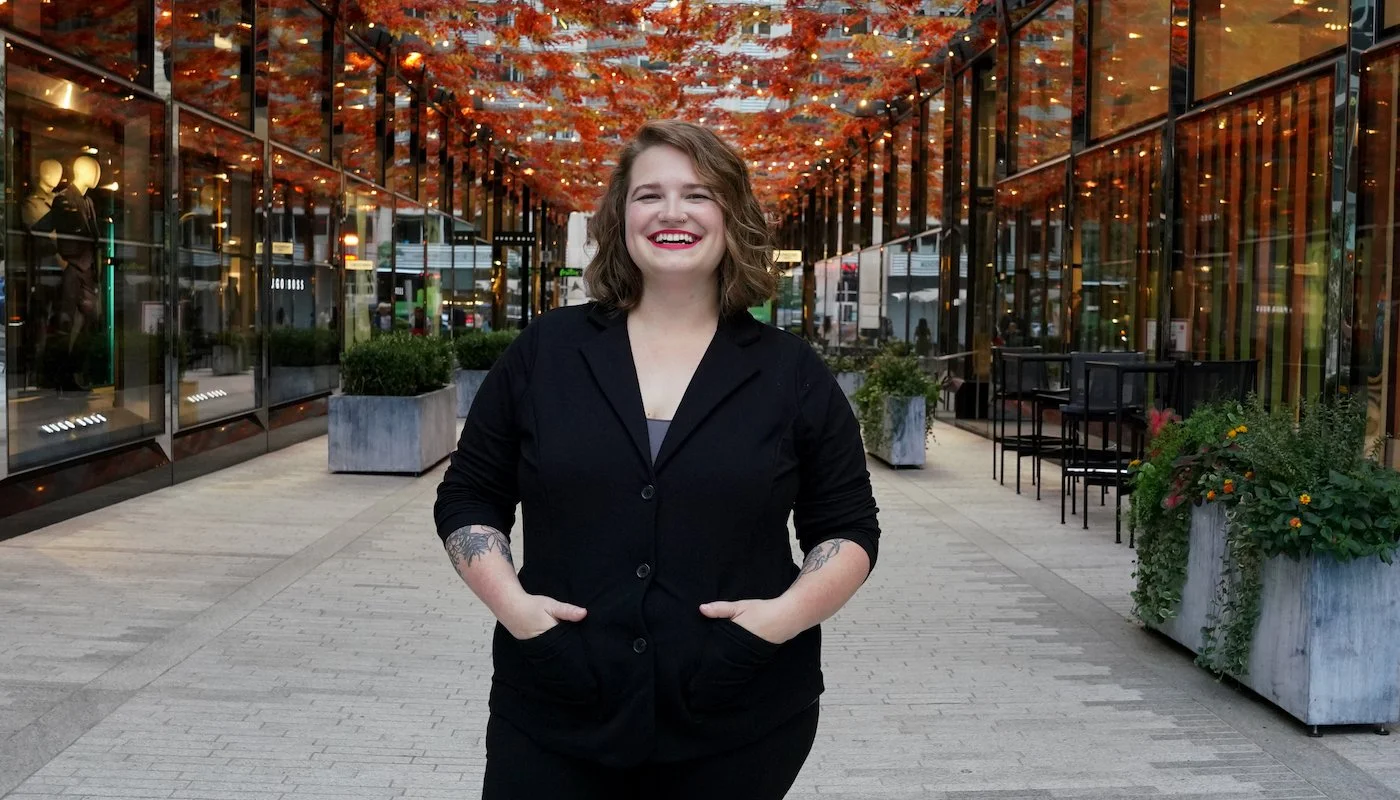
I know how difficult it is to find someone who truly understands what it’s like to live with body grief or a chronic illness, or in a drawn-out pursuit of a diagnosis for some mysterious condition.
It is a tragedy that so many people are gaslit by the medical system, unheard by their providers and mental health clinicians. The frustration of communicating something so subjective as physical pain and symptoms to someone holding a clipboard or an iPad? This leaves physical *and* emotional pain.
My approach is rooted in empathy and evidence. My practice is grounded in the belief that your emotional distress is a perfectly valid response to a difficult situation, not a character flaw or "weakness."
I bring more than specialized clinical mental health modalities to your sessions; I’m a Certified Trauma Support Specialist (CTSS) and Trauma & Resilience Life Coach (TRLC). Whether you are dealing with medical PTSD from past procedures, the grief of chronic illness, or the burnout of being your own full-time caregiver, I offer a non-judgmental space where we can move at your pace.
My Commitment to You:
Validation: Even if medical tests don't show it, and everything else is ambiguously vague, your pain, emotions, and lived experiences are *real.*
Collaboration: We will build a treatment plan that fits your energy levels and medical reality.
Expertise: I stay current with the latest research on psychological interventions for chronic conditions to ensure you receive the most effective care possible.
Zero AI: Your sessions and progress notes will remain free from artificial intelligence and algorithmic interference. More about our privacy & digital security policies.

Privacy & Discretion:
A Sanctuary for Your Health Story
If fear of disclosure presents a barrier to your mental health & quality of life...Your story belongs entirely to you. Jupiter Pines Counseling aims to provide a safe space for your healing, free from judgment or unintended exposure.
For those navigating chronic illness or medical trauma, privacy is about more than compliance. It’s is about your dignity, control, and autonomy.
Separate Medical Records: As a private-pay practice, your therapy records are legally distinct from your medical files. We will never share session details with insurance companies, doctors, or caregivers without your explicit written permission; you remain the sole gatekeeper of your story.
Insurance Flexibility: For those concerned about sensitive diagnoses appearing on insurance claims, we offer private-pay options and out-of-network superbills. This can allow for reimbursement while keeping specific clinical details off your permanent medical record.
Secure Digital Space: Our telehealth platform is fully encrypted, and we will work with you to ensure a private, interruption-free, Zero AI environment for every session.
You deserve a safe space where your pain is taken seriously, and your emotional well-being is prioritized alongside your physical health. Let's work together to build resilience, reduce suffering, and help you reclaim parts of your life that matter most to you.
Ready to Take Your Next Step in Healing?
For clinical mental health counseling, we serve clients in Tacoma, Bellevue, Gig Harbor, Bellingham, Olympia, and throughout Washington State (virtual options available). All consultations are confidential.
-
Aaron, R. V., Ravyts, S. G., Carnahan, N. D., Bhattiprolu, K., Harte, N., McCaulley, C. C., Vitalicia, L., Rogers, A. B., Wegener, S. T., & Dudeney, J. (2025). Prevalence of Depression and Anxiety Among Adults With Chronic Pain. JAMA Network Open, 3, e250268. https://doi.org/10.1001/jamanetworkopen.2025.0268
Abbas, U., Hussain, N., Tanveer, M., Laghari, R. N., Ahmed, I., & Rajper, A. B. (2025). Frequency and predictors of depression and anxiety in chronic illnesses: A multi disease study across non-communicable and communicable diseases. PLOS One, 5, e0323126. https://doi.org/10.1371/journal.pone.0323126
Akif, A., Qusar, M. M. A. S., & Islam, Md. R. (2024). The Impact of Chronic Diseases on Mental Health: An Overview and Recommendations for Care Programs. Current Psychiatry Reports, 7, 394–404. https://doi.org/10.1007/s11920-024-01510-7
Andersen, B. L., Lacchetti, C., Ashing, K., Berek, J. S., Berman, B. S., Bolte, S., Dizon, D. S., Given, B., Nekhlyudov, L., Pirl, W., Stanton, A. L., & Rowland, J. H. (2023). Management of Anxiety and Depression in Adult Survivors of Cancer: ASCO Guideline Update. Journal of Clinical Oncology, 18, 3426–3453. https://doi.org/10.1200/jco.23.00293
Burns, J. W., Jensen, M. P., Thorn, B., Lillis, T. A., Carmody, J., Newman, A. K., & Keefe, F. (2021). Cognitive therapy, mindfulness-based stress reduction, and behavior therapy for the treatment of chronic pain: randomized controlled trial. Pain, 2, 376–389. https://doi.org/10.1097/j.pain.0000000000002357
Capobianco, L., Faija, C., Husain, Z., & Wells, A. (2020). Metacognitive beliefs and their relationship with anxiety and depression in physical illnesses: A systematic review. PLOS ONE, 9, e0238457. https://doi.org/10.1371/journal.pone.0238457
de Ridder, D., Geenen, R., Kuijer, R., & van Middendorp, H. (2008). Psychological adjustment to chronic disease. The Lancet, 9634, 246–255. https://doi.org/10.1016/s0140-6736(08)61078-8
Garland, E. L., Froeliger, B., Zeidan, F., Partin, K., & Howard, M. O. (2013). The downward spiral of chronic pain, prescription opioid misuse, and addiction: Cognitive, affective, and neuropsychopharmacologic pathways. Neuroscience & Biobehavioral Reviews, 10, 2597–2607. https://doi.org/10.1016/j.neubiorev.2013.08.006
Greenberg, J., Bakhshaie, J., Lovette, B. C., & Vranceanu, A.-M. (2022). Association Between Coping Strategies and Pain-Related Outcomes Among Individuals with Chronic Orofacial Pain. Journal of Pain Research, 431–442. https://doi.org/10.2147/jpr.s350024
Hooten, W. M. (2016). Chronic Pain and Mental Health Disorders. Mayo Clinic Proceedings, 7, 955–970. https://doi.org/10.1016/j.mayocp.2016.04.029
Kardash, L., Wall, C. L., Flack, M., & Searle, A. (2024). The role of pain self-efficacy and pain catastrophising in the relationship between chronic pain and depression: A moderated mediation model. PLOS ONE, 5, e0303775. https://doi.org/10.1371/journal.pone.0303775
Köhler-Forsberg, O., Stiglbauer, V., Brasanac, J., Chae, W. R., Wagener, F., Zimbalski, K., Jefsen, O. H., Liu, S., Seals, M. R., Gamradt, S., Correll, C. U., Gold, S. M., & Otte, C. (2023). Efficacy and Safety of Antidepressants in Patients With Comorbid Depression and Medical Diseases. JAMA Psychiatry, 12, 1196. https://doi.org/10.1001/jamapsychiatry.2023.2983
Lau, B. H. P., Cheung, M. K. T., Chan, L. T. H., Chan, C. L. W., & Leung, P. P. Y. (2021). Resilience in the Storm: Impacts of Changed Daily Lifestyles on Mental Health in Persons with Chronic Illnesses under the COVID-19 Pandemic. International Journal of Environmental Research and Public Health, 11, 5875. https://doi.org/10.3390/ijerph18115875
Lew, Y. F. H., & Xin, X. H. (2021). Using a Narrative Practice Approach to Understand In-Depth Experiences of Individuals Coping with Chronic Pain. Pain medicine (Malden, Mass.), 22(1), 191–202. https://doi.org/10.1093/pm/pnaa223
McCracken, L. M., Yu, L., & Vowles, K. E. (2022). New generation psychological treatments in chronic pain. BMJ, e057212. https://doi.org/10.1136/bmj-2021-057212
Nasika, I.-N., Wiart, C., Bonvarlet, A.-S., Guillaume, J., Yavchitz, A., & Tereno, S. (2023). Attachment patterns, self-compassion, and coping strategies in patients with chronic pain. PAIN Reports, 5, e1087. https://doi.org/10.1097/pr9.0000000000001087
Norman-Nott, N., Briggs, N. E., Hesam-Shariati, N., Wilks, C. R., Schroeder, J., Diwan, A. D., Suh, J., Newby, J. M., Newton-John, T., Quidé, Y., McAuley, J. H., & Gustin, S. M. (2025). Online Dialectical Behavioral Therapy for Emotion Dysregulation in People With Chronic Pain. JAMA Network Open, 5, e256908. https://doi.org/10.1001/jamanetworkopen.2025.6908
Noyman-Veksler, G., Lerman, S. F., Joiner, T. E., Brill, S., Rudich, Z., Shalev, H., & Shahar, G. (2017). Role of Pain-Based Catastrophizing in Pain, Disability, Distress, and Suicidal Ideation. Psychiatry, 2, 155–170. https://doi.org/10.1080/00332747.2016.1230984
Pickern, J. S., & Ledford, V. A. (2026). Using the theory of communicative disenfranchisement to illuminate the nature and consequences of women's experiences with medical gaslighting as told through TikTok narratives. Patient education and counseling, 150, 109719. Advance online publication. https://doi.org/10.1016/j.pec.2026.109719
Rosser, B. A., Fisher, E., Janjua, S., Eccleston, C., Keogh, E., & Duggan, G. (2023). Psychological therapies delivered remotely for the management of chronic pain (excluding headache) in adults. Cochrane Database of Systematic Reviews, 6. https://doi.org/10.1002/14651858.cd013863.pub2
Rusu, A. C., Gajsar, H., Schlüter, M.-C., & Bremer, Y.-I. (2019). Cognitive Biases Toward Pain. The Clinical Journal of Pain, 3, 252–260. https://doi.org/10.1097/ajp.0000000000000674
Salikka, T., Kylmä, J., & Fröjd, S. (2026). Therapeutic Writing Interventions for Adults With Chronic Pain: Experiences and Health Effects-A Systematic Review With a Narrative Synthesis. European journal of pain (London, England), 30(2), e70235. https://doi.org/10.1002/ejp.70235
Shapiro, J., & Ross, V. (2002). Applications of narrative theory and therapy to the practice of family medicine. Family medicine, 34(2), 96–100.
Tan, G., Teo, I., Anderson, K. O., & Jensen, M. P. (2011). Adaptive Versus Maladaptive Coping and Beliefs and Their Relation to Chronic Pain Adjustment. The Clinical Journal of Pain, 9, 769–774. https://doi.org/10.1097/ajp.0b013e31821d8f5a
Vase, L., Wager, T. D., & Eccleston, C. (2025). Opportunities for chronic pain self-management: core psychological principles and neurobiological underpinnings. The Lancet, 10491, 1781–1790. https://doi.org/10.1016/s0140-6736(25)00404-0
Williams, A. C. de C., Fisher, E., Hearn, L., & Eccleston, C. (2020). Psychological therapies for the management of chronic pain (excluding headache) in adults. Cochrane Database of Systematic Reviews, 11. https://doi.org/10.1002/14651858.cd007407.pub4
Yarns BC, Jackson NJ, Alas A, Melrose RJ, Lumley MA, Sultzer DL. Emotional Awareness and Expression Therapy vs Cognitive Behavioral Therapy for Chronic Pain in Older Veterans: A Randomized Clinical Trial. JAMA Netw Open. 2024;7(6):e2415842. doi:10.1001/jamanetworkopen.2024.15842
Zaharias G. (2018). Narrative-based medicine and the general practice consultation: Narrative-based medicine 2. Canadian family physician Medecin de famille canadien, 64(4), 286–290.