

College & University Support
Clinical Counseling & Coaching for Students and FamiliesNavigating the Transition to College, First-Year Recalibration, and Emerging Adulthood Transitions
Jupiter Pines Counseling promises zero AI in your sessions or your client files. Zero non-consensual insurance reporting of sensitive diagnoses. We find joy in fiercely protecting our clients’ confidentiality and providing human-centric, evidence-based, trauma-informed care. Read on to get a glimpse of this. :-)
Grounding Support for College Students
*Something* Has Your Attention. Maybe it's a feeling you can't quite name.
Maybe you’re watching someone else go through a recalibration, walk through a new chapter of life.
Maybe things are fine on paper, but they do *not* feel fine underneath at all.
The transition to college, and everything that comes after, is REAL.
The field of developmental psychology refers to this stage as "emerging adulthood" (Arnett, 2000). It’s the period of identity exploration, marked by new experiences, new people, sometimes instability, and a sense of being somewhere between who you were and who you're becoming (Kirwan et al., 2024). Up to 77% of first-year college students experience some form of psychological distress during this transition (Lattie et al., 2019), and over half report their mental health worsened after enrolling (McAfee et al., 2023; BestColleges, 2024). That's the landscape on any campus.
If you're a student, you might be walking to class wondering if everyone else has it figured out. (Hint: They don't.) Some are struggling quietly in ways you'll never see. A rough semester, a bad relationship, a major that really doesn’t fit… a sense that something shifted, and you can't shift it back. These are not signs of brokenness (Liu et al., 2025). They're the work of being human.
If you're a parent, you might have noticed something in a text message. A tone. A silence. Your child might have told you something, or stopped telling you things. Either way, you're paying attention, and that matters a lot (Hadiwijaya et al., 2017).
If you're still recalibrating or returning to university after some time away, the transition isn’t only during freshman year. Sometimes it happens after a bad semester, after a loss, after your plan falls apart. Sometimes it happens quietly, and you don't realize you need support until you're already in it (Tett, Cree, & Christie, 2016).
At Jupiter Pines Counseling, it is our honor to support college students and their families with a stable, confidential space. Emerging adults get to focus on making sense of what's happening within and around them and building the confidence needed to meet what's next.

Mental Health Support for College & University Students
Jupiter Pines College Support
Specialized clinical counseling (WA) or coaching (global); built on the Roots & Galaxy Model. Private-pay only; no insurance reporting, no mandatory diagnostic labels. Zero AI in sessions or files. Trauma-informed. Available before a crisis hits.
Proactive and preventative. A clinician who knows you by name. Not academically affiliated, not a check-in service, not an app, not a hotline.
Session sounds like: “What's actually going on for you? Not what looks good on paper, not what your parents hope you'll say. Let's start with just you.”
Campus Counseling Center
Free or low-cost. Often session-limited (typically 6–8 sessions per semester). Crisis-responsive rather than proactive. High counselor-to-student ratios usually mean waitlists of ~2–4 weeks during peak seasons.
Note: Many campus clinics offer sessions led by graduate students who are still in training. This can be a great experience. However, it also means your student might not get the continuity or clinical depth they might need during a distressing season (Views from patients…, n.d.).
Session sounds like: “We can see you in three weeks. Let's focus on getting you through midterms.”
Academic / Life Coaching
Goal-oriented, future-focused. No clinical training required; anyone can call themselves a coach. Excellent for study habits and accountability; doesn't address underlying emotional distress, traumatic experiences, attachment ruptures, or mental health conditions (Aboalshamat et al., 2020).
Session sounds like: “What's your goal? Let's optimize your schedule and build an action plan.”
Standard Private Therapy
Clinical treatment by a licensed provider, but often without a specialized transition framework. May bill insurance, which requires assigning a diagnostic label that becomes part of your permanent medical record. Generalist approach.
Session sounds like: “Tell me about your history. What diagnosis are we treating today?”
Comparing Your Options Across the BoardStudents often have four options for support during their college experience. Here’s how we’ve seen the options usually differ for students:

A Map of The College Experience
What It Might *Already* Feel Like for You?The college experience shows up across life, in relationships, in your sense of self, and in the systems that you’re suddenly navigating alone. Bronfenbrenner’s (1979) ecological systems theory helps explain why. Distress is experienced internally and is shaped by layered contexts (Vicary et al., 2025). This includes your roommate dynamic, social life, extracurricular activities, institutional policies, and cultural narratives about “success.”
This isn’t a diagnostic checklist. It’s an intentionally imperfect and incomplete map to help you recognize what you might be carrying or anxious about. Each of us contains multitudes, so scan what’s here. Take what fits. Leave the rest and reach out any time.
-
"Am I homesick? Or am I grieving an old version of myself?" Not just missing home, mourning the ease of being known, and the ecosystem that held you up. The people who understood you in high school feel distant; new connections feel transactional or forced.
Roommate Friction. Living with a stranger who chews loudly, leaves dishes, or simply operates on a completely different wavelength. It sounds minor until you can't relax in your own room, and your room is the only space that's yours.
Campus Parties, Greek Life, and the Social Contract. Rush decisions can feel like it determines your entire college identity. The pressure to attend, to drink, to perform socially, and the shame of opting out. Balancing studying with a campus culture that equates socializing with belonging.
Attachment Rupture. Long-distance relationships straining. New attachment patterns activating in unfamiliar environments. The people you leaned on are suddenly out of reach and you're not sure who to lean on now.
"My parents either disappeared or started surveilling me." Parents either assuming you've got this (gone silent) or over-monitoring (surveillance dressed up as care). Neither feels right, and neither helps.
"Isolated in a crowd." Walking across campus surrounded by strangers, convinced you're the only one panicking. The loneliest version of loneliness is the kind that happens in public.
-
"Who am I without the script?" Without external structure imposing who you are, identity stops being philosophical and starts feeling destabilizing. You're stuck between who you were at home and whoever you're supposed to become now.
"Everyone else belongs here. I'm waiting to be exposed." The campus is full of people who seem to have it figured out. They don't. But that doesn't stop the feeling.
"This major isn't mine." The degree path you chose at seventeen starts feeling like someone else's plan. Or maybe it was yours, but the world has shifted (e.g., AI or climate change) and now you're not sure what it's even for.
"The mask finally slipped." Holding it together in a neurotypical academic environment until the exhaustion catches up and it usually does. Neurodivergent masking crash is real. It's not a personal failure, but that’s really hard to remember on a semester schedule.
"Living with a storm that never seems to pass." The constant hum of anxiety that doesn't have a single cause, deadlines, social expectations, homesickness, and identity confusion. It’s all swirling together into something you can't name but can't escape.
-
Academic Pressure Culture. Grades, internships, networking, publish-or-perish — a performance treadmill with no finish line. The first few months felt like a crash course in anxiety, and it didn't let up.
Traumatic Mentorship. A professor, advisor, or supervisor whose power goes unchecked. The damage from these relationships is real, underreported, and often dismissed as "just how academia works" (Stark, 2007). You're not imagining it.
Minority Stress. LGBTQ+ students, students of color, and first-generation students navigating institutions that weren't designed with them in mind. The exhaustion of code-switching isn't a character flaw — it's a structural cost.
Institutional Betrayal. When the university that promised community and support fails to respond adequately to your needs — or worse, penalizes you for asking.
-
"The world is burning — literally." Climate anxiety isn't hypothetical for this generation. Research shows 30–70% of college students report moderate to severe eco-anxiety, strongly correlated with broader psychological distress (Cosh et al., 2024*). Add the political dimension — the sense that institutions aren't responding — and some students develop what crisis line data identifies as a "fatalistic future outlook" (Sugg et al., 2025*). It's not "caring too much." It's a legitimate response to legitimate threats.
"AI already took my major." Picking a career path while the ground shifts underneath it. Research shows 62% of students fear job displacement from AI within a decade, and AI anxiety directly undermines career decision-making by eroding career adaptability (PMC, 2025*). Students describe choosing an "AI-proof major" as "shooting at a moving target." The question is no longer “what do I want with my life?” but “will that option even exist anymore?”
Financial Suffocation. Tuition, fees, textbooks that cost more than groceries, and the creeping awareness that every credit hour is a financial transaction. Working full-time while enrolled full-time. Choosing between buying food and buying access codes. Yes, it’s money stress. It’s also about the message that your worth is measured in dollars.
Administrative Labyrinth. Navigating financial aid, scholarships, registration holds, degree audit errors, and bureaucratic systems that seem designed to wear you down. For first-generation students, there's the added weight of being the first in your family to decode systems no one prepared you for… the shame of asking questions that feel like everyone else already knows the answers to.
Dear Students & Parents:
A Letter from the Clinician & Coach (in 7 Parts)-
I grew up in universities. While my dad finished his PhD, I spent weekends in campus libraries, befriending administrative secretaries, finding their stash of highlighters, and sneaking computer games on library terminals. I watched him practice lectures in empty halls. Over dinner, I heard him stress over data, publishing deadlines, and the strange calculus of academic survival.
Those early exposures taught me something I wouldn't fully grasp until later: academia is not neutral ground for young people. It's where identity, ambition, and vulnerability collide with institutional power structures that were never designed to protect or nurture emerging adults.
Fast-forward to post-COVID: I found myself teaching a data & decision-modeling course at the University of Wyoming (my MBA alma mater), redesigning curriculum, and watching students have the same personal and academic breakthroughs that I once needed. (So fun!)
One told me, "Because of this class, my career goals shifted to industries I didn't know existed… I realized that I’m capable of so much more."
Another said, "This was my favorite class and professor in my entire college education."
Those comments reminded me how I felt during my own undergraduate years. 3.5 years of an adjustment rollercoaster! So many new people, new experiences, new things to learn, new buildings to figure out… A few professors were really lovely and kind, but…
I wish I'd had a *non-parental* person who could’ve offered consistent, non-judgmental anchor point of support. Every semester, or every time I switched majors or an advisor got promoted I met a new cast of characters who did their best, but did not know me from the next student to walk through the door. I had been trying my hardest to succeed and please everyone, but facing a mountain of secret struggles.
Even with a decent GPA, I nearly threw in the towel and threatened to drop out of Texas Tech. My parents literally bribed me to finish my final classes. The day I walked across the stage to receive my BBA, we were all relieved. ;-) Of course, I felt academically accomplished, but I was carrying a mental health diagnosis that I hadn't been able to fully process with anyone who really understood.
Today, I’m a clinical mental health counselor and coach; it is an honor to work with emerging adults of this generation, because 1) y’all are so brilliant, fun, and inspiring! 2) I get to pay it all forward.
↓ Keep Reading ↓
-
To Parents Reading This:
What an enormous feat parenthood is! If you’re reading this, then your child is already a person; not a project to manage, not a problem to solve.
The research is clear: when parents of young adults offer warmth, openness, and “autonomy support” (listening without directing, helping without controlling), emerging adults thrive (Assor et al., 2021; Hoggan, 2008). Conversely, when parents micromanage, criticize, or use guilt and shame to steer decisions, a student’s mental health suffers (Williams & McKinney, 2023). We know that autonomy-supportive parenting consistently demonstrates the most positive wellbeing and mental-health indicators for young adults (Hassan et al., 2025; Song et al., 2024; Jensen, 2024). In contrast, helicopter or over-controlling parenting is linked to reduced self-efficacy, poorer perceived well-being, and heightened risk for mental-health difficulties (Urone et al., 2024; Nguyen, 2024; Padilla-Walker, 2019).
Five Encouraging Nudges From The Research
Your involvement still matters, but its form must change. Parenting doesn't end at 18 like it used to, now it transforms. Decades of research confirm that parental support during your child’s transition to adulthood remains a powerful predictor of their mental health, academic success, and relationship quality (Swartz et al., 2011; Booth et al., 2012; Lansford et al., 2021). The parenting question isn't whether to stay involved, it's how.
The line between "supportive" and "over-involved" isn't about quantity, it's about function (see also previous point). Across at least thirteen studies one principle converges: the same parental behavior can either build a young adult’s independence or undermine it. Your child’s receptivity to how they exchange texts, receive financial guidance, or what kind of emotional advice might vary depending on whether it's building your kid's capacity (scaffold) or doing for them what they could do themselves (aka over-parenting) (Swartz et al., 2011; Urone et al., 2024; Newman & Davis, 2024).
Autonomy support is the big variable. In Turkey, China, Spain, Egypt, India, Croatia, and, yes, in the United States, we’ve found one very consistently remarkable finding in emerging adults: parents who encourage their child's volitional functioning, respect their decisions, and create space for self-direction produce better outcomes than parents who control, monitor, or manage (Song et al., 2024; Alsancak-Akbulut & Kömürcü-Akik, 2024; García-Mendoza et al., 2020; Hassan et al., 2025; Newman & Davis, 2024).
Warmth is the soil; structure is the fertilizer; autonomy support is the sunlight. (I always love a good metaphor!) All three are necessary. Warmth without autonomy becomes enmeshment (boo!). Structure without warmth becomes authoritarianism (boo!). Autonomy without warmth becomes abandonment (oh no!). The authoritative parenting style, high warmth, reasonable structure, genuine respect for the child's emerging agency, remains the gold standard across most cultural contexts (Martinez-Escudero et al., 2020; Hassan et al., 2025; Lansford et al., 2021).
Your kid's perception matters more than your intention. Across multiple studies, the child's interpretation of parental behavior predicted outcomes more reliably than the behavior itself (Nathanson, 2026; Menon et al., 2025; Newman & Davis, 2024; García-Mendoza et al., 2020). The same text message can read as "I love you" or "I'm checking up on you" and the perception translation is built from years of relationship history.
Parents, it may seem like your job description has shifted/will shift (Merkaš & Batinić, 2025). If you’re doing these things you’re getting it right:
Financial help when needed & able (Serido et al., 2020)
Housing stability (Swartz et al., 2011)
Emotional availability (Conger et al., 2013)
Now that your student is an emerging adult, what matters more is this:
Tone of engagement (Nathanson & Brinberg, 2026)
Trust in decision-making, even in their imperfect choices (García-Mendoza et al., 2020; Newman & Davis, 2023; Menon et al., 2024;
Getting your own support to ensure pressure is lifted all-around (Lippold et al., 2024; Carlson, 2016; Carlson, 2014)
Your job now is NOT to disappear. They need you to shift from life manager to consultant. Your child needs you to stay present, offer practical support when asked, and trust them to make their own decisions. You get to stand back in awe and *enjoy* the person they already are, not just the adult they are trying to become.
If your child is struggling, that's why I'm here. They get space to figure things out. You get to know that they have solid support to hold steady without taking over. That's what frees them to grow (Swartz et al., 2011).
PS - When parents have their own support system, the pressure lifts. Your child senses that, and everyone breathes easier. If you ever want a referral I have so many colleagues!
↓ Keep Reading ↓
-
Education & Licensure:
BBA, Bachelor of Business Administration, Texas Tech University
MBA, Master of Business Administration, University of Wyoming
MS-CMHC, Master of Science in Clinical Mental Health Counseling, Walden University
LMHCA, Licensed Mental Health Counselor Associate, pending, Washington State
Clinical Supervision: Jessica M. Shook, LMHC (ongoing)
My dual lens matters: I've operated inside the systems that affect you. I understand:
Academic pressure (grades, tenure-track dynamics, dissertation timelines)
Financial constraints (scholarships, student loans, family obligations)
The mental health landscape on campuses; clinics often run by graduate students or overworked medical students, providing limited hours, inconsistent quality (Gorman et al., 2024)
Career decision-making when autonomy wasn't practiced before being suddenly expected
Identity development during the most consequential developmental window (ages 18–25)
As a practicing clinician under clinical supervision, I'm bound by Washington State licensure requirements and ACA & APA ethical guidelines for mental health professionals. Clinical services are provided to residents of Washington State only. Coaching services are available globally.
↓ Keep Reading ↓
-
HIPAA protects what clients share, so I can't quote specifics. But I can share general patterns I see repeatedly in my telehealth office and from my previous pedagogical training and academic experience:
Loneliness — Feeling disconnected despite being surrounded by peers
Fear — Dread about future uncertainty, career relevance, climate, economics
Betrayal — Disrupted trust in mentors, institutions, or family systems
Identity Mismatch — An identity handed down that doesn't fit the person they're becoming
Autonomy Deficit — Never practicing independence before being suddenly expected to manage it alone
These aren't character flaws. They're normal responses to abnormal pressure. When students are having really big feelings about a thing, a relationship, or an event, they need a secure space to find the answers all by themselves (Park et al., 2020).
My job isn't to advise. It's to protect your exploration and liberation. You get to focus on building skills for a life you desire.
↓ Keep Reading ↓
-
Most counseling focuses on symptom reduction. I work from a different foundation:
Standard model: Pathology-first (“what’s wrong with you?”) → My approach: Capacity-first (“what’s going well with you?”)
Standard model: Therapist as expert → My approach: You as the authority on your experience
Standard model: Weekly check-ins → My approach: Regular consistency with intentional autonomy-building
Standard model: General population → My approach: Specialized in complexity + systems navigation
Standard model: Crisis-responsive → My approach: Proactive skill-building before escalation for post-traumatic resilience
I've watched professors open entire worlds for students. I’ve seen how one consistent, thoughtful adult can turn a struggling young person's trajectory around.
Practically, this means:
Sessions focused on your goals, not mine
No jargon-heavy explanations unless you ask for them
Collaboration with your broader support network when the student chooses (e.g., parents, guardians, roommates, friends, partners, other clinicians, prescribers, etc.)
Integration of career, finances/economics, academics, social life, and mental health; because these are inseparable for college students (Adams, Meyers, Beidas, 2016)
↓ Keep Reading ↓
-
Not everyone who reaches out is in crisis; that's the point.
Jupiter Pines Counseling serves two windows of care: preventative support (building skills, identity, and coping strategies before pressure peaks) and recalibration work (processing and integrating difficult experiences after they've occurred). Both are valid. Both matter.
If you or your child is in immediate crisis, experiencing thoughts of self-harm, suicidal ideation, or acute psychological distress; please don't wait for a therapy intake. Immediate resources are available at jupiterpines.com/crisis-resources, or call 988 (Suicide & Crisis Lifeline) directly. Those services and resources are designed for what you need right now.
My role comes after or alongside those higher-acuity supports (e.g., emergency clinics, hospitals, helplines, outpatient care, and more), when what’s needed is a consistent, ongoing therapeutic relationship rather than urgent intervention.
Emerging adulthood (ages 18–25) is the most consequential period for mental health intervention (Rod et al., 2025). Early support during this stage is associated with improved long-term outcomes across academic persistence, relationship stability, and identity consolidation (Arnett, 2000; SAMHSA, 2014). In other words, the support we can offer to young adults now matters for decades.
Proactive support will help a young adult to:
Build coping patterns before pressure or symptoms peak (Nguyen et al., 2023; Ahmed & Shaban, 2026)
Create secure attachment outside family of origin (Tan, Hurd, Albright, 2017; Manvelian et al., 2023)
Develop autonomy skills before high-stakes decisions land (Jain et al., 2026)
Identify referral needs early (e.g., psychiatric, medical, intensive)
Recalibration support will help a young adult to:
Integrate difficult experiences after they've happened (Danley, 2025)
Rebuild trust, identity, and self-efficacy (belief in ability to accomplish goals) following disruption (Delich & Roberts, 2017; Taliercio et al., 2024)
Process in a consistent, non-judgmental space (Ajayi et al., 2025; Caldas, 2025)
Connects to appropriate resources if higher levels of care are needed
This work is about (re)building upon your existing foundation while you have the bandwidth to do so (Pratma et al., 2025).
If you're not sure which window you're in, that's okay. Reach out and we'll figure it out together; I'll connect you with the right resource if what you need is beyond my scope of offerings.
↓ Keep Reading ↓
-
You deserve a clinician who sees the whole picture, not just an accumulation of symptoms. Whether you're 18 and terrified, 22 and recalibrating, or a parent waiting for a text message, let's build the foundation first.
The rest will follow.
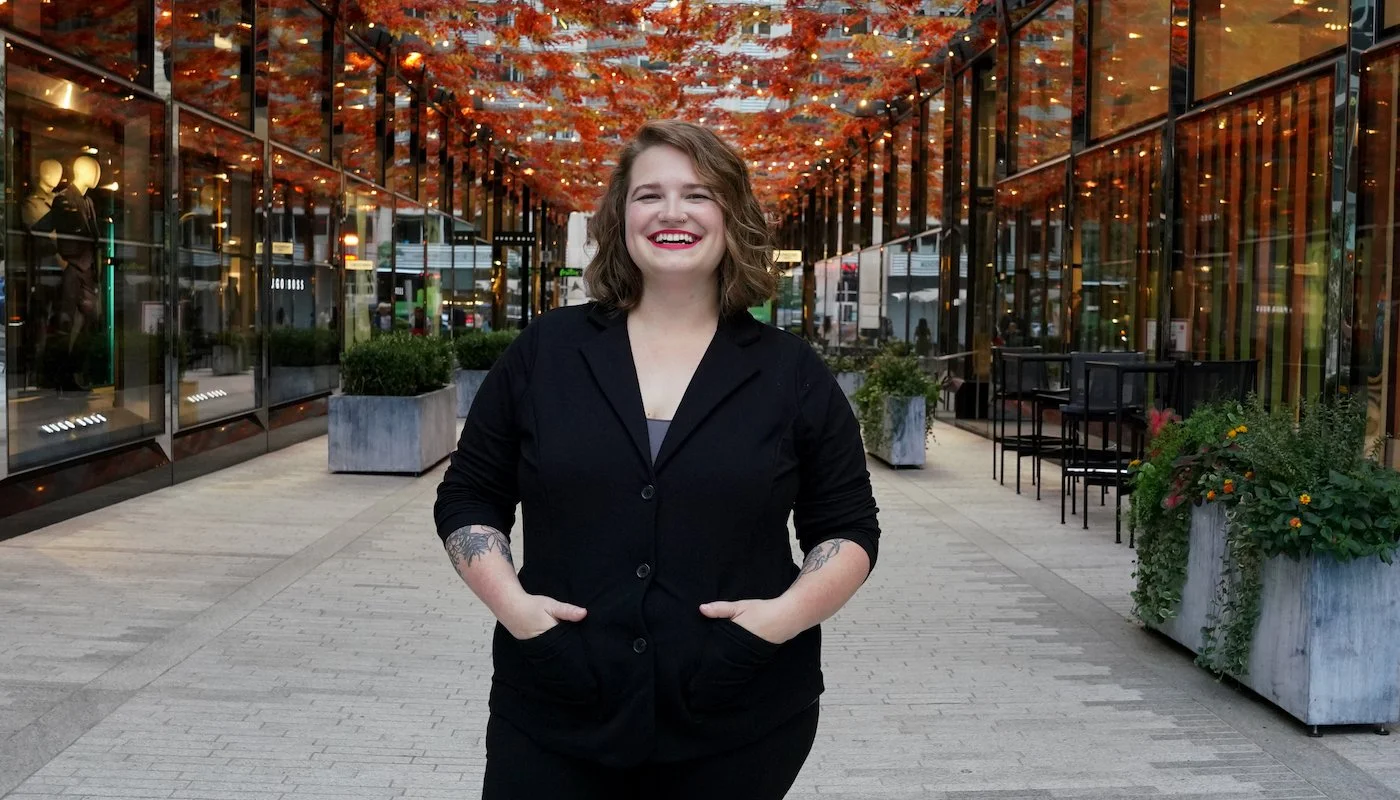
~ Emily Ann Peterson, MBA, MS-CMHC, LMHCA-pending
Ready to begin?
Book a Complimentary 20-Minute Consultation — See if we're a good fit
Learn About Session Fees & Packages— Investment transparency
If you're in crisis or experiencing thoughts of self-harm, please call 988 (Suicide & Crisis Lifeline) or visit your nearest emergency room. Jupiter Pines Counseling offers ongoing support, not acute crisis management.

The Roots & Galaxy Model
Adapted for the College & University Student Experience
Most therapy models ask you to take a leap into the dark (usually with a total stranger!) and hope for the best (Baier-Mosch et al., 2025). For students and families going through one of life's most destabilizing developmental thresholds (Arnett, 2000), that is not a reassuring, comforting, or easy feat (Polodan, 2025; Bröcker, 2026).
The Roots & Galaxy Model earns trust before asking for it.
Developed by Jupiter Pines Counseling, it is a dual-layer framework built on a simple premise: we use client autonomy to establish a stable foundation for the relationship before any “deep work” or exploration begins.
The Sequencing Matters Profoundly:
Roots: The Foundation. Before any clinical work begins, we co-sign explicit boundaries and agreements. You’ll know exactly what to expect: session structure, confidentiality parameters, how parent involvement works, and what the therapeutic relationship can and cannot do.
Galaxy: The Exploration. Once the foundation holds, you can choose how and when to explore: identity, attachment, systemic pressures, and the gap between who you were told to be and who you actually are. This phase also makes room for the grief that isn't personal (e.g., ecological grief, political disillusionment, the sense that the systems you're entering are themselves unwell). Your anxiety isn't a symptom to eliminate; it's a signal to interpret.
What This Model Means for Young Scholars:
Roots mean having a predictable space when everything else feels like it's spinning. A place where you don't have to perform, produce, or prove.
Galaxy means the freedom to figure out who you are — without performing, without producing, without earning it.
What This Model Means for Parents & Families:
Roots means knowing a stable structure exists, clear, consistent, transparent. It means your child has a secure container that holds firm, even when you can't see inside it.
Galaxy means trusting the process enough to let your child explore independently, without hovering or surveillance, without performance, without proving anything to you.
Our Commitment to Digital Privacy & Confidentiality
3 Reasons We Protect Your Digital Privacy So Fiercely:In an era of surveillance capitalism (Zuboff, 2019), the therapeutic space is one of the last refuges where your inner life isn't mined for data. Jupiter Pines Counseling uses zero AI tools in sessions or file management: no transcript analysis, no automated note generation, no machine learning models training on your most vulnerable disclosures.
Your nervous system knows the difference between being heard and being recorded. Porges's (2011) polyvagal theory describes neuroception, the body's unconscious detection of environmental threat. When clients know their sessions are fully human, fully private, and fully theirs, the physiology of trust activates in ways that no algorithm-mediated interaction can replicate.
Foucault (1995) warned us that systems of observation can become systems of control. Insurance companies require diagnostic labels that follow you permanently. Recent data show healthcare breaches continue to expose sensitive patient information at scale (Pool et al., 2024). We do not play that game. As a private-pay practice, we assign diagnoses only when clinically necessary and only with your explicit knowledge.
Your Story Stays Your Story:
Sessions are conducted human-to-human, with no AI processing
Files are stored using end-to-end encrypted, HIPAA-compliant technology
Billing is discreet; no insurance reporting, no third-party access to your clinical record
Boundaries regarding parent involvement are co-created with the student, not assumed
Investment & Commitment
Here's What’s Included:
-
For students residing in Washington State who want clinical mental health treatment: diagnosis, treatment planning, trauma processing, and therapeutic intervention. Provided via Emily Ann Peterson, MBA, MS-CMHC, LMHCA-pending, under the supervision of Jessica M. Shook, LMHC.
Private-pay only. No insurance billing. Out-of-network reimbursement documentation available on request.
Step 1 — Free Consultation Call (20 min, no cost): A brief video consult appointment. No sales pitch. We talk about what's going on and determine whether clinical counseling or coaching is the right fit.
Step 2 — Ongoing Clinical Support ($195/week); Clients are seen weekly. Billed after each appointment. When you’re an active clinical client, your engagement includes:
Dedicated weekly individual appointment (55 min): evidence-based therapy for anxiety, depression, identity work, neurodivergence, trauma processing, and life transition support
Diagnostic treatment planning: comprehensive clinical assessments with the student to evaluate needs, set goals, and design a personalized roadmap.
Encrypted client portal access: schedule sessions, view documents, review your treatment plan, and communicate securely between appointments
End-to-end encrypted messaging: when something lands between sessions (a panic attack, a roommate blowup, a decision that can't wait), you have a direct, private channel to your clinician
Meaningfully responsive communication: not 24/7 crisis line access, but meaningfully faster communication than the standard "I'll get back to you next session" model
Disability support services advocacy: when clinically applicable, written support for academic accommodations, reduced course loads, incompletes, or leave of absence. You don’t have to fight that battle alone!
Psychiatric coordination: if medication evaluation becomes relevant, you get a warm handoff, not a name on a list. Referrals to a trusted colleague are always available, too!
Crisis stability planning: co-created, personalized, and yours to carry. Not a generic worksheet.
Co-created boundaries: you see it, you agree to it, you can change it. We don’t do opaque clinical gatekeeping, yuck.
Zero AI in your sessions or files: every note, every message, every interaction stays human-to-human.
Private-pay protection: no insurance reporting, no mandatory diagnostic labels, no third-party access to your clinical record. Diagnoses assigned only when clinically necessary and only with your explicit agreement
Availability: Washington State residents only via telehealth statewide.
-
For students, parents, or families who want goal-oriented, future-focused support, academic strategy, career discernment, transition planning, and family communication coaching. Available regardless of location. Not a substitute for clinical treatment; no diagnosis assigned.
Step 1 — Free Consultation Call (20 min, no cost): A brief phone screen. No sales pitch. We talk about what's going on and determine whether clinical counseling or coaching is the right fit.
Step 2 — Coaching Engagement ($195/week); clients are seen weekly, and billed after each appointment. When you’re an active coaching client, your engagement includes:
Dedicated weekly coaching appointment (55 min) — academic navigation, career discernment in the age of AI, family transition dynamics, or identity-adjacent exploration that doesn't require clinical intervention
Encrypted client portal access — schedule sessions, track goals, review action items, and communicate securely
End-to-end encrypted messaging — between-session support when a decision lands, a deadline shifts, or a family conversation needs a strategy
Career discernment in an AI-disrupted landscape — not generic career advice. Structured exploration of what "AI-proof" actually means for your field, your values, and your definition of a life worth living
Climate-conscious career path support — because for this generation, "what do I want to do?" and "what's the world going to look like?" are the same question
Family boundary-setting coaching — scripts, frameworks, and practice for restructuring communication patterns with parents during the transition. (e.g., how to say "I love you, and I need space" without it sounding like "I'm shutting you out.")
Academic strategy coaching — not tutoring. Decision-making support for course loads, program pivots, leave-of-absence deliberation, and the gap between "I can do this" and "this is worth doing right now"
No diagnosis. Ever. — coaching clients are not assigned clinical labels. Your records reflect goals and strategies, not symptoms
Same privacy standards as clinical care — zero AI, end-to-end encryption, private-pay, discreet billing. Your coaching engagement is nobody's business but yours
Availability: Available globally via video sessions; for students attending any institution, or navigating the transition outside traditional enrollment. If, during coaching, it becomes clear that clinical treatment would better serve you, we'll discuss that openly and refer appropriately.
-
These services are available to clients in either track and extend your engagement when additional support is needed, whether for extended work, family coordination, or peer connection.
Extended Session — $265 | 50 min, for counseling or coaching, this is available when the standard session length isn't enough. Allows clinical clients to engage in deeper trauma processing or extended identity work, and coaching clients to roll up their sleeves with a larger project (e.g., time management, research paper, breaking down goals, etc.).
Parent/Guardian Consult (Without Student) — $110 | 30 min, For parents seeking guidance on how to support their student (e.g., developmental psychoeducation, communication strategies, or help interpreting behavioral changes). Conducted with the student’s consent, without the student present. This consult does not include disclosure of any prior session content; what the student shares in their own sessions remains confidential.
Teen + Parent/Family Session — $250 | 50 min, Conjoint session for the student and one parent/guardian. Scheduled only with the student's explicit written consent, not at the parent's request alone. The student decides what's discussed, who's in the room, and whether this happens at all. Consent can be withdrawn at any time, for any reason, without explanation.
Support Group — varies per group, $90-135/week | 60-90 min, weekly peer-supported gathering in a structured format. Screened for fit. Themes may include: first-year recalibration, career direction in uncertain economies, social anxiety & social skills-building, neurodivergence, climate-conscious career paths, and family boundary-setting during transition. Contact us via email if interested to be added to a waiting list: hello@jupiterpines.com
Two Distinct Service Tracks for Parents & Students
Clinical counseling & coaching. These are separate engagements; students will not switch between frameworks within a single session. Your consultation call helps determine which track fits best.
Geographical Availability
Clinical Counseling: Washington State residents only. Serving students at the University of Washington (Seattle, Tacoma, Bothell), Washington State University, Western Washington University, Eastern Washington University, Central Washington University, The Evergreen State College, Pacific Lutheran University, University of Puget Sound, Seattle University, Seattle Pacific University, Gonzaga University, Whitman College, Saint Martin's University, Heritage University, Walla Walla University, Bastyr University, Cornish College of the Arts, and community and technical colleges statewide.
Coaching & Support Groups: Available globally. For students attending any institution, or navigating the transition outside traditional enrollment.
The Student Stays the Primary Client. Always.
Parent involvement is a supplement, never a substitute, never a requirement, and never a backchannel of communication. The student controls what's shared, who's in the room, and whether joint sessions happen at all. Consent can be withdrawn at any time, without explanation.
This structure exists because trust is the engine of therapeutic work. If a student suspects their sessions funnel back to their parents, even indirectly, the entire foundation collapses.
We do absolutely everything we can to protect the student’s trust.
You’ve Read This Far…
Maybe you're a parent sitting in the kitchen at 11 PM, worried about your kids and trying to parse the silence that replaced your kid’s nightly check-in texts.
Maybe you're a student who just admitted, for the first time, that the transition is harder than you’ve let anyone see.
Maybe you're a returning student who's tired of hearing "everyone struggles" when what you're carrying feels way bigger than that.
You don't have to wait for a crisis to get support. In fact, please don't.
Emerging adulthood is the developmental window where intervention matters most (Arnett, 2000; SAMHSA, 2014). The earlier the foundation, the stronger the structure that follows.
Book a complimentary 20-minute consultation. No commitment, no pressure. Just a conversation about whether this is the right fit — for you, or for your student.
Note: Clinical counseling is available to Washington State residents. Coaching and support groups available globally. All consultations include a brief discussion about your goals and provide an opportunity to ask questions about next steps.
-
Aboalshamat, K., Al-Zaidi, D., Jawa, D., Al-Harbi, H., Alharbi, R., & Al-Otaibi, S. (2020). The effect of life coaching on psychological distress among dental students: interventional study. https://doi.org/10.1186/s40359-020-00475-5
Adams, D. R., Meyers, S. A., & Beidas, R. S. (2017). The relationship between financial strain, perceived stress, psychological symptoms, and academic and social integration in undergraduate students. https://www.ncbi.nlm.nih.gov/pmc/articles/5086162
Ajayi, A. A., Schachter, J., Goblirsch, N., & Zhou, R. (2024). Trauma-informed acceptance and commitment therapy with peer coaching for college students: A pilot randomized controlled trial. Journal of Counseling Psychology, 72(1), 30–44. https://doi.org/10.1037/cou0000767
Alsancak-Akbulut, C., & Akik, B. K. (n.d.). Helicopter parenting, autonomy support, and young adults’ psychological adjustment in Turkey: the mediating role of psychological control. https://doi.org/10.1007/s12144-024-06107-0.pdf
Ahmed, R. S., & Shaban, M. (2026). Always online, still alone: A qualitative study of technology-facilitated loneliness and mood symptoms among university students. Archives of Psychiatric Nursing, 152076. https://doi.org/10.1016/j.apnu.2026.152076
Baier‐Mosch, F., Weiher, G. M., & Kananian, S. (n.d.). Determining What is Common: A Theoretical Account of Common Factors in Psychotherapy through the Lens of Self-Determination Theory.https://doi.org/10.1007/s10879-025-09664-y.pdf
Bröcker A.L., Nolte T., Böttche M., Knaevelsrud C., Kerber A. How epistemic trust, mistrust and credulity relate to mental health, personality pathology, treatment engagement and relationship in psychotherapeutic and psychiatric settings. BMJ Mental Health. 2026 Jan 19;29(1):e301751. https://doi.org/10.1136/bmjment-2025-301751
Caldas, L. M. (n.d.). The Developmental Cohort Model of Interpersonal Process Groups: A Clinician’s Guide for University Counseling Centers. https://digitalcommons.du.edu/cgi/viewcontent.cgi?article=1560&context=capstone_masters
Carlson, C. L. (2014). Seeking Self-Sufficiency. Emerging Adulthood, 2(4), 257–269. https://doi.org/10.1177/2167696814551785
Carlson, C. L. (2016). Predicting Emerging Adults’ Implementation of Parental Advice: Source, Situation, Relationship, and Message Characteristics. Western Journal of Communication, 80(3), 304–326. https://doi.org/10.1080/10570314.2016.1142112
Chen, C., Zhu, Y., Hong, Y., Xiao, F., & Li, L. (2026). How depression affects academic self-efficacy among college students: the mediating effect of professional identity and the moderating effect of belief in a just world. BMC Public Health, 26(1). https://doi.org/10.1186/s12889-025-26074-w
Crane, M. F., Scopano, L., Forbes, D., Gucciardi, D. F., Van Bergen, P., Karin, E., Mancini, A. D., Kalisch, R., & Kangas, M. (n.d.). Adaptation in Context: A Qualitative Investigation of Self-Insight and Resilience Capacity Development in Emerging Adulthood. https://doi.org/10.1007/s42844-026-00213-7.pdf
Conger K.J., Conger, R.D., Russell, S.T., Hollis, N. (2013). Board on Children, Youth, and Families; Institute of Medicine; National Research Council. Improving the Health, Safety, and Well-Being of Young Adults: Workshop Summary. E, Background Paper: Parenting During the Transitions to Adulthood. https://www.ncbi.nlm.nih.gov/books/NBK202210/
Danley, W. T. (2025). Infinite Hope: Reframing Disconnection in Emerging Adulthood Through Purpose, Agency, and Identity. Behavioral Sciences, 9, 1205. https://doi.org/10.3390/bs15091205
Delich, N. A., & Roberts, S. D. (n.d.). Empowering Students Through the Application of Self-Efficacy Theory in School Social Work: An Intervention Model. https://newprairiepress.org/cgi/viewcontent.cgi?article=1022&context=ijssw
Discipline and Punish: The Birth of the Prison. (2020). In On Violence (pp. 445–471). Duke University Press. https://doi.org/10.1515/9780822390169-058
Gong, X., & Wang, C. (2021). Interactive effects of parental psychological control and autonomy support on emerging adults’ emotion regulation and self-esteem. Current Psychology, 42(19), 16111–16120. https://doi.org/10.1007/s12144-021-01483-3
Gorman, K. S., Walden, D., Braun, L., & Hotaling, M. (2024). Navigating a Path Forward for Mental Health Services in Higher Education. Journal of College Student Mental Health, 38(4), 749–767. https://doi.org/10.1080/28367138.2023.2298647
Hadiwijaya, H., Klimstra, T. A., Vermunt, J. K., Branje, S., & Meeus, W. (n.d.). On the Development of Harmony, Turbulence, and Independence in Parent–Adolescent Relationships: A Five-Wave Longitudinal Study. https://link.springer.com/content/pdf/10.1007%2Fs10964-016-0627-7.pdf
Hassan, M. E.-G., Ali, S. I., Mahmoud, A. S., Hafez, F. E., & Ibrahim, A. M. (2025). The role of parenting styles and depression in predicting suicidal ideation vulnerability among university students. BMC Nursing, 24(1). https://doi.org/10.1186/s12912-025-03307-2
Henshaw, L. A. (n.d.). Building Trauma-Informed Approaches in Higher Education. https://www.mdpi.com/2076-328X/12/10/368/pdf?version=1664360621
Herman, J. L. (n.d.). Trauma and Recovery: The Aftermath of Violence--From Domestic Abuse to Political Terror. https://bvbr.bib-bvb.de/F?doc_library=BVB01&doc_number=028922790&func=service&func_code=DB_RECORDS&line_number=0001&local_base=BVB01&sequence=000002&service_type=MEDIA
Hill, L. (n.d.). Expanding Our Horizons: Risk, Protection, and Intervention in Emerging Adulthood. https://doi.org/10.1007/s11121-019-00996-5.pdf
Horvath, A. O., Del Re, A. C., Flückiger, C., & Symonds, D. (2011). Alliance in individual psychotherapy. Psychotherapy, 48(1), 9–16. https://doi.org/10.1037/a0022186
How epistemic trust, mistrust and credulity relate to mental health, personality pathology, treatment engagement and relationship in psychotherapeutic and psychiatric settings - PMC. (n.d.). https://pmc.ncbi.nlm.nih.gov/articles/PMC12820883/
Hwang, W., & Jung, E. (2021). Helicopter Parenting Versus Autonomy Supportive Parenting? A Latent Class Analysis of Parenting Among Emerging Adults and Their Psychological and Relational Well-Being. Emerging Adulthood, 10(3), 731–743. https://doi.org/10.1177/21676968211000498
Infinite Hope: Reframing Disconnection in Emerging Adulthood Through Purpose, Agency, and Identity. (n.d.). https://www.mdpi.com/2076-328X/15/9/1205
Jain, T., Lo, D. Y. K., Upsher, R., & Byrom, N. (2026). Supporting transitions: a scoping review of interventions for students with mental health conditions entering higher education. Journal of Mental Health, 35(2), 249–259. https://doi.org/10.1080/09638237.2026.2622084
Jensen, M., Navarro, J. L., Chase, G. E., Wyman, K., & Lippold, M. A. (n.d.). Parenting Styles in Emerging Adulthood. https://www.mdpi.com/2673-995X/4/2/35/pdf?version=1712903217
Jiao, J., Pitts, M. J., & Segrin, C. (2007). Autonomy and overparenting: Are parents of emerging adults being responsive? Family Process, 63(3), 1623–1636. https://doi.org/10.1111/famp.12969
Kirwan, E., Burns, A., O’Súilleabháin, P. S., Summerville, S., McGeehan, M., McMahon, J., Gowda, A., & Creaven, A. (n.d.). Loneliness in Emerging Adulthood: A Scoping Review. https://doi.org/10.1007/s40894-024-00240-4.pdf
Kouros, C. D., Pruitt, M. M., Ekas, N. V., Kiriaki, R., & Sunderland, M. (2006). Helicopter Parenting, Autonomy Support, and College Students’ Mental Health and Well-being: The Moderating Role of Sex and Ethnicity. Journal of Child and Family Studies, 26(3), 939–949. https://doi.org/10.1007/s10826-016-0614-3
Lattie, E. G., Adkins, E. C., Winquist, N., Stiles‐Shields, C., Wafford, Q. E., & Graham, A. K. (n.d.). Digital Mental Health Interventions for Depression, Anxiety, and Enhancement of Psychological Well-Being Among College Students: Systematic Review. https://www.jmir.org/2019/7/e12869/PDF
Lippold, M. A., Jensen, M., Chase, G. E., Wyman, K., Jenkins, M. R., Mohanty, S., & Bodenmann, G. (2024). Parent strategies to help emerging adults manage stress are associated with their mental health: A dyadic coping perspective. Family Process, 63(4), 1964–1981. https://doi.org/10.1111/famp.12991
Liu, L., Su, T., Chen, J., Chen, Y., & Liu, G. (n.d.). Relationships between depression and difficulties in emotion regulation among first-year college students: a network analysis approach. https://doi.org/10.1186/s40359-025-03198-7.pdf
Lohmann, S., Cowlishaw, S., Ney, L., O’Donnell, M., & Felmingham, K. (2023). The Trauma and Mental Health Impacts of Coercive Control: A Systematic Review and Meta-Analysis. Trauma, Violence, & Abuse, 25(1), 630–647. https://doi.org/10.1177/15248380231162972
Love, H., Cui, M., Allen, J., Fincham, F. D., & May, R. W. (n.d.). Helicopter parenting and female university students’ anxiety: does parents’ gender matter? https://bristoluniversitypressdigital.com/downloadpdf/journals/frs/9/3/article-p417.pdf
Ma, C., Ma, Y., & Wang, Y. (n.d.). Parental Autonomy Support and Mental Health among Chinese Adolescents and Emerging Adults: The Mediating Role of Self-Esteem. https://www.mdpi.com/1660-4601/19/21/14029/pdf?version=1666943622
Promoting attachment security during the transition to college: A pilot study of emotionally focused mentoring. (2023). https://doi.org/10.1177/02654075231195530
Martinez-Escudero, J. A., Villarejo, S., García, Ó. F., & Pérez, J. F. G. (n.d.). Parental Socialization and Its Impact across the Lifespan. https://www.mdpi.com/2076-328X/10/6/101/pdf?version=1592555385
Manvelian, A., Boyd, S., O’Hara, K. L., Watters, C., Liu, Y., & Sbarra, D. A. (2023). Promoting attachment security during the transition to college: A pilot study of emotionally focused mentoring. Journal of Social and Personal Relationships, 12, 4075–4101. https://doi.org/10.1177/02654075231195530
McAfee, N. W., Schumacher, J. A., Carpenter, R. K., & Ahmad, Z. (2023). College student mental health, treatment utilization, and reduced enrollment: Findings across a state university system during the COVID-19 pandemic. Journal of American College Health, 73(2), 803–812. https://doi.org/10.1080/07448481.2023.2248495
Emotional autonomy and adjustment among emerging adults: The moderating role of family relationships. (2020). https://doi.org/10.1111/sjop.12614
Parental Expectations and Fear of Negative Evaluation Among Indian Emerging Adults: The Mediating Role of Maladaptive Perfectionism. (2024). https://doi.org/10.1177/02537176241252949
Merkaš, M., & Batinić, L. (n.d.). What Can We Do for the Parents? How Can a Society Help Future Parents Support and Care for Their Children in the Best Possible Way? https://books.ceapublishing.hu/index.php/hrcr/catalog/download/53/118/2607
Nathanson, A. I., & Brinberg, M. (2026). Digital Communication in Parent-Emerging Adult Relationships: Balancing Autonomy and Connection. https://doi.org/10.1177/21676968261424939
Newman, M., & Davis, E. L. (2023). A Helping Hand Isn’t Always So Helpful: Parental Autonomy Support Moderates the Effectiveness of Interpersonal Emotion Regulation for Emerging Adults. Emerging Adulthood, 12(2), 201–213. https://doi.org/10.1177/21676968231222304
Nguyen, Q., Madison, S., Ekas, N. V., & Kouros, C. D. (2024). Helicopter Parenting Behaviors and Emerging Adult Mental Health: The Mediating Role of Emotion Dysregulation. Emerging Adulthood, 12(5), 820–837. https://doi.org/10.1177/21676968241254565
Nguyen, J., Phuong, A. E., Barron, B., Mejia, F. D., & Salehi, S. (n.d.). Humanizing College Student Success: The Role of Brave Space, Validation, and Social-Emotional Competencies. https://repository.isls.org//bitstream/1/9948/1/ICLS2023_1462-1465.pdf
Nicolas, C. C., Jorm, A. F., Cardamone‐Breen, M. C., Lawrence, K. A., & Yap, M. B. H. (2019). Parental Self‐Efficacy for Reducing the Risk of Adolescent Depression and Anxiety: Scale Development and Validation. Journal of Research on Adolescence, 30(1), 249–265. https://doi.org/10.1111/jora.12521
O’Connor, M., Sanson, A., Toumbourou, J. W., Hawkins, M., Letcher, P., Williams, P., & Olsson, C. A. (n.d.). Positive Development and Resilience in Emerging Adulthood. http://hdl.handle.net/11343/58756
Page, L., Meyer, K., Lee, J., & Gehlbach, H. (2024). Conditions Under Which College Students Can be Responsive to Text-based Nudging. National Bureau of Economic Research. https://doi.org/10.3386/w33257
Park, S. Y., Andalibi, N., Zou, Y., Ambulkar, S., & Huh, J. (n.d.). Understanding Students’ Mental Well-Being Challenges on a University Campus: Interview Study. https://formative.jmir.org/2020/3/e15962/PDF
Podolan, M. (n.d.). Beyond Comfort: How Dynamic Safety Regulation Drives Psychotherapeutic Change – Transtheoretical Model. https://doi.org/10.1007/s10879-025-09683-9.pdf
Porges, S. W. (n.d.). Polyvagal Theory: A Science of Safety. https://doi.org/10.3389/fnint.2022.871227/pdf
Porges, S. W. (2023). The vagal paradox: A polyvagal solution. https://doi.org/10.1016/j.cpnec.2023.100200
Pratama, G. A., Dagang, M. M., & Sugara, G. S. (n.d.). Rational Emotive Behaviour Counseling Guideline for Academic Resilience in College Students. https://journal.edupotensia.org/index.php/potensi/article/download/39/18
Rod, N., Davies, M., de Vries, T. et al. Young adulthood: a transitional period with lifelong implications for health and wellbeing. BMC Glob. Public Health3, 25 (2025). https://doi.org/10.1186/s44263-025-00148-8
The costs of parental pressure to express emotions: Conditional regard and autonomy support as predictors of emotion regulation and intimacy⋆. (2012). https://doi.org/10.1016/j.adolescence.2011.11.005
Self-determination theory and the facilitation of intrinsic motivation, social development, and well-being. (2000). https://doi.org/10.1037/0003-066x.55.1.68
The Lengthening Transition to Adulthood: Financial Parenting and Recentering during the College-to-Career Transition. (2020). https://doi.org/10.1177/0192513X19894662
Shin, H., & Gyeong, S. (2023). Social Support and Strain from Different Relationship Sources: Their Additive and Buffering Effects on Psychological Well-Being in Adulthood. Journal of Social and Personal Relationships, 40(8), 2538–2567. https://doi.org/10.1177/02654075231153350
Stark, E. (2023). Coercive Control. Oxford University Press. New York. https://doi.org/10.1093/oso/9780197639986.001.0001
Safety Nets and Scaffolds: Parental Support in the Transition to Adulthood. (2011). https://doi.org/10.1111/j.1741-3737.2010.00815.x
Taliercio, J. R., Wigod, T., Shen, J., Garcia, J., Davino, S., Servidio, E., Sparapani, E., McGinn, L. K., & Miller, A. L. (2024). Re-Assessment and Extension: An Ongoing Evaluation of The System for Adult Growth and Emergence-Foundations, a Modified DBT Program to Aid Emerging Adults With Emotion Regulation and Transition. Emerging Adulthood, 12(4), 494–508. https://doi.org/10.1177/21676968241242829
Attachment, Appraisal Support, and the Transition to College Among Underrepresented Students. (2017). https://doi.org/10.1177/2167696817745454
Tett, L., Cree, V. E., & Christie, H. (n.d.). From further to higher education: transition as an on-going process. https://link.springer.com/content/pdf/10.1007%2Fs10734-016-0101-1.pdf
Vicary, E., Kapadia, D., Bee, P., & Brooks, H. (2025). Mapping support systems: a cross-sectional examination of personal support networks, perceived support, mental health outcomes, and help-seeking behaviours among UK undergraduate students. https://doi.org/10.1186/s12889-025-24360-1
Views from patients, students, and preceptors about the ethics of student-run free clinics - PMC. (n.d.). https://pmc.ncbi.nlm.nih.gov/articles/PMC12069495/
Zuboff, S., Möllers, N., Wood, D. M., & Lyon, D. (n.d.). Surveillance Capitalism: An Interview with Shoshana Zuboff. https://ojs.library.queensu.ca/index.php/surveillance-and-society/article/download/13238/8503