
Alcohol, Weed, and Your Mood: A Trauma-Informed Guide to Cutting Back
Heads Up: This article discusses substance use, self-harm, and withdrawal. If any topics feel activating, please pause and prioritize your safety. You can contact a crisis resource or call/text 988 anytime.

Photo taken at Point Ruston in Tacoma, WA by Fernando Hernandez on Unsplash
You’re not alone if a glass of wine after a long commute from Seattle to Tacoma feels like the only thing that turns off the noise. Or maybe you’ve learned that a little weed can help you settle when your mind won’t stop racing.
If you’re reading this, you might be noticing a larger pattern…
You use substances to feel better in the moment, but later, you feel worse. Maybe it’s the "hangxiety" the next morning, or the mental fog or low mood that settles in after a few days of smoking and doesn’t seem to lift when the PNW sunshine shows up.
Your nervous system is doing exactly what it was designed to do. It’s trying to regulate itself. When life feels overwhelming, or when past wounds haven’t healed, substances can become a powerful (albeit temporary) tool for survival.
Maybe you’re noticing the greater costs of your consumption. There is a safer way forward.
This guide isn’t about shame or waiting for a crisis point.
Change can happen at any stage. Plus, we’re all about harm reduction here at Jupiter Pines Counseling. We love helping clients explore practical, evidence-based approaches that honor their autonomy while keeping them safe. Whether you’re in downtown Tacoma, the foothills of Mount Rainier, or anywhere across Washington State, your journey matters.
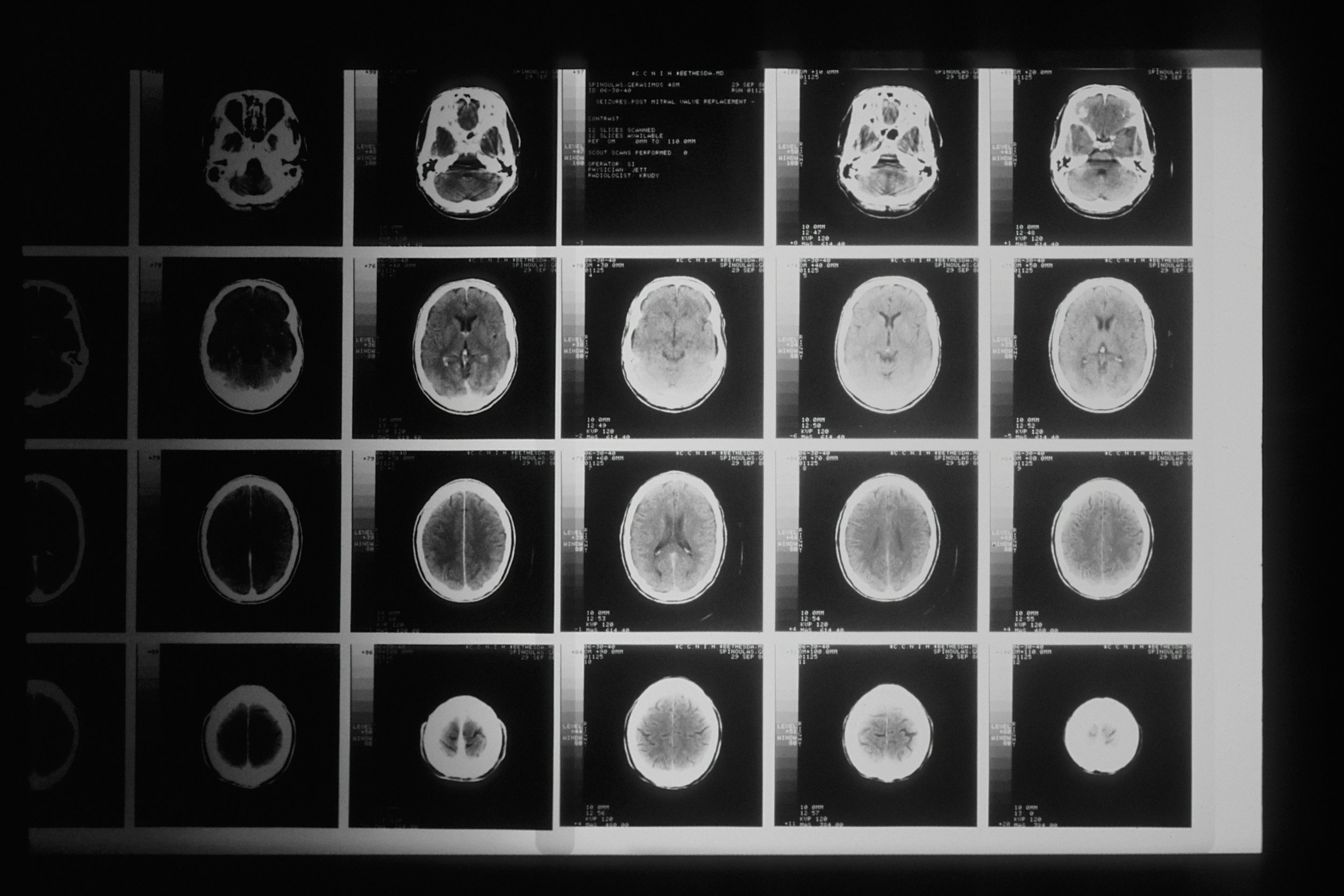
Photo by National Cancer Institute on Unsplash
Why Substances Affect Your Mood (The Science, Simplified)
To change the pattern, we first need to understand the mechanism. It’s not just "willpower"; it’s biology.
The Alcohol Cycle
In the moment: Alcohol hits your brain’s GABA receptors, creating a temporary sense of calm and quieting the alarm bells. It creates that short-term “feel-good” effect.
The crash: As it leaves your system, your brain chemicals rebound. Those same chemicals swing the other way. Many folks feel more anxious, irritable, low, or restless than before they started. This can happen hours later or the next day (aka “hangxiety”).
Over time, it actually rewires your brain to be more prone to anxiety and depression. You drink to feel okay, but the baseline gets lower, requiring more alcohol to achieve the same relief.
A vicious cycle: It’s common to drink to feel better, feel even worse, then drink again for short-term relief. Low mood, worsened sleep, intense mood swings, and drinking often feed on each other.
The good news is that mood often improves when drinking is reduced or stopped.
The Marijuana Cycle
In the moment, the “high” from THC can offer short-term relief, relaxation, or an escape from stress. For many, it feels like a gentle blanket.
The catch: High-potency products like vapes and dabs or edibles can trigger anxiety, paranoia, or a racing heart, especially if you’re already stressed. Edibles are tricky because the delay between eating and feeling can lead to accidental overconsumption.
Over time, Regular or heavy use is linked to more depression and anxiety symptoms, trouble with motivation, sleep cycle disruption, and difficulty controlling mood. It can make mood conditions like bipolar disorder or PTSD harder to treat and has been linked to more suicidal thinking.
Who should be most cautious:
Young adults and emerging adults (generally ages 18-25), the brain continues to mature during this developmental period. Substances can interact differently during this time.
Anyone at risk for bipolar disorder, psychosis, or a family history of these conditions
Important: Like alcohol, marijuana can become a “feel good now, feel worse later” cycle. If you’re using it to cope with a baseline issue, it may be masking or worsening a treatable condition.
The Risk of "Heavy Use" Without the Judgment
We often underestimate how much we consume because we don’t track it. Let’s look at the numbers, not to shame you, but to give you clarity.
A Note on Tolerance: If you don’t feel "drunk" or "high" anymore, it doesn’t mean you aren’t using heavily. It means your body has adapted and is responding to repeated exposure. Tolerance is a physiological adaptation that can mask your risk. It’s not a personal failing.
Alcohol: What Counts as Heavy Use?
With alcohol, the risk rises with quantity. There is no amount of alcohol proven to be completely "safe." A "standard drink" is a fixed amount of pure alcohol, not whatever fits in your glass.
12 oz of regular beer (~5%) — Some beers are 8% alcohol or served in 16 oz glasses, meaning one “glass” can be 1.5-3 drinks
5 oz of wine (~12%) — Restaurant pours are often 6–9 oz, home pours can be more, meaning one “glass” can be 1.5-3 drinks.
1.5 oz of liquor (~40%) — A "double" or a generous home pour is often 2–3 drinks.
Alcohol Risk Thresholds For Men (NIAAA):
“Low-Risk” / Moderate: up to 2 drinks per day (men)
Risky / Heavy Drinking: More than 4 drinks in a day OR more than 14 per week
Binge Drinking: 5+ drinks in ~ 2 hours
Alcohol Risk Thresholds For Women & Adults 65+ (NIAAA):
“Low-Risk” / Moderate: up to 1 drink per day
Risky / Heavy Drinking: more than 3 drinks in a day OR more than 7 drinks in a week
Binge Drinking: 4+ drinks in ~ 2 hours
Note: These thresholds reflect general population data. Your individual risk may differ based on health history, medications, genetics, and life context. Please discuss with your provider.
The Health Risks of Heavy or Long-Term Alcohol Use
Alcohol affects nearly every organ in the body, and the risks rise with how much and how long you drink. Importantly, no amount of alcohol has been proven completely safe. Even one drink a day carries a small but real increase in some risks, such as cancer.
Liver: Heavy or long-term drinking can cause fatty liver, alcohol-associated hepatitis, and cirrhosis (permanent scarring). Risk begins at a little over one drink a day for women and two a day for men; women and people with obesity or diabetes are more vulnerable. Liver damage is often silent until it is advanced.
Cancer: Alcohol is a known cause of cancer of the mouth, throat, voice box, esophagus, liver, colon, rectum, and breast. The risk rises the more you drink, and there is no safe lower limit.
Heart and blood vessels: High blood pressure, irregular heartbeat (such as atrial fibrillation), weakening of the heart muscle (cardiomyopathy), stroke, and heart disease.
Brain and nerves: Memory and thinking problems; trouble with attention and coordination; nerve damage in the hands and feet (numbness, tingling, weakness); and, with severe, long-term use, vitamin deficiency and serious, sometimes permanent, memory disorders (Wernicke-Korsakoff syndrome).
Mental health: Worsening or new depression, anxiety, and sleep problems, and a higher risk of suicidal thoughts and self-harm.
Stomach and pancreas: Gastritis, stomach and duodenal ulcers, and pancreatitis (painful, sometimes dangerous inflammation of the pancreas).
Other effects: Weakened immune system, hormone and reproductive problems, bone thinning, and worsening of diabetes and other chronic conditions.
In pregnancy: alcohol can cause fetal alcohol spectrum disorders, which are a leading preventable cause of birth defects and developmental problems. No amount of alcohol is considered safe during pregnancy.
Injury and accidents: Impaired judgment, coordination, and reaction time raise the risks of falls, car crashes, and other injuries.
The encouraging part: Many of these risks drop when you cut back or stop drinking, and some early damage, such as fatty liver, can partly or fully reverse.
Marijuana: What Counts as Heavy Use?
Unlike alcohol, there’s no standard measurement of a joint because potencies vary wildly. Today's products are far stronger than in past decades, and concentrates, dabs, and many vape cartridges are much higher in THC than older flowers, so a small amount can equal a larger dose.
Frequency matters most because the chance of developing a cannabis use disorder rises step by step with it. Here’s what the research shows about weed users who get diagnosed with Cannabis Use Disorder, defined by the DSM-5-TR, as of writing this post:
Roughly 3-4% of yearly users
8% of monthly users
17% of weekly users
~36% (or 1 in 3) of daily marijuana users develop a Cannabis Use Disorder
The Health Risks of Heavy or Long-Term Weed Use
Mental health: Increased risk of psychosis and schizophrenia, especially with high-potency products, frequent use, early teen use, or a family history. It can also worsen bipolar disorder, increase depression and anxiety, and raise the risk of suicidal thoughts and self-harm.
Thinking and memory: Problems with learning, memory, attention, and reaction time; heavy teen use is linked to lasting effects on brain development, school, and achievement.
Lungs: Smoking or vaping can cause chronic cough, wheezing, phlegm, and bronchitis.
Heart and blood vessels: Increased heart rate and higher risk of heart attack, stroke, and irregular heartbeat.
Stomach: Frequent heavy use can cause cannabinoid hyperemesis syndrome, cycles of severe nausea, vomiting, and belly pain.
Injury: Impaired coordination, judgment, and reaction time raise the risk of car crashes and injuries.
Product risks: Cannabis can contain contaminants such as mold, heavy metals, and pesticides; edibles are easy to overdo, and high-potency concentrates raise the risk of bad reactions.
Who is most vulnerable: Teens and young adults, pregnant people (risk of preterm birth and low birth weight), and anyone with bipolar or psychotic disorders (or a family history of either).
A Side Note on Vaping: Even Non-THC Vapes are Not Safe
It is a common belief that vaping is harmless, or at least a "safer" alternative to smoking marijuana. This is not accurate. No vaping product is considered safe. While vaping is likely less harmful than smoking combustible cigarettes, "less harmful than the worst option" is still not the same as safe.
The vapor is not just water. E-cigarette aerosol can contain nicotine, ultrafine particles, heavy metals, volatile chemicals, and flavoring agents such as diacetyl that have been linked to serious lung disease. It can irritate and inflame the airways, impair the lungs' ability to clear mucus and fight infection, and cause oxidative stress and DNA damage.
Real-world disease risk may be closer to smoking than assumed. Recent pooled research suggests that for some conditions, including metabolic and oral disease, the risks of vaping and cigarettes are statistically similar, and for heart, stroke, asthma, and COPD, the reduction versus cigarettes is more modest than the often-quoted 95% safer claim.
Serious acute lung injury (EVALI) was tied mainly to THC vapes containing vitamin E acetate. What is added to vape liquids is often unregulated and can be dangerous.
If you don't smoke or vape now, don't start. If you do vape to stay away from smoking weed, treat it as a step toward quitting weed entirely, not an endpoint. Ask your provider about proven cessation tools.

Photo by Russel Bailo on Unsplash
Immediate Withdrawal Symptoms
Sharing this because knowledge is power & we know withdrawal can be a really critical phase for many folks. Alcohol Withdrawal
Your safety matters. If you drink heavily every day, alcohol withdrawal can become a medical emergency. You deserve support, not isolation, during this process. Please connect with a medical provider before cutting back on alcohol. We can help you navigate referrals to safe, medically-supervised options if needed.
Early signs (about 6-24 hours after the last drink): shakiness, sweating, fast heartbeat, nausea, anxiety, headache, irritability, trouble sleeping.
Emergency signs — get medical help right away / call emergency services:
Seizures: can start as early as 8 hours after the last drink
Hallucinations: seeing, hearing, or feeling things that you know aren’t there
Severe confusion, agitation, high fever, racing heart, or heavy sweating (this can be “delirium tremens,” usually 2-4 days after last drink, can be a life-threatening emergency)
Bottom line: Heavy daily drinkers should cut back under medical supervision. Safe, effective medicines *do* exist that can make withdrawal comfortable and prevent dangerous complications.
Marijuana Withdrawal
Stopping daily marijuana use can be uncomfortable, but not dangerous. About half of those who use marijuana regularly will notice withdrawal symptoms when they stop. It’s not life-threatening, but it can be unpleasant enough to make you want to use it again. Knowing that in advance can be extremely helpful in the long run.
Common symptoms:
Irritability, anger, feeling on edge
Anxiety, and low/depressed mood
Trouble sleeping and vivid or disturbing dreams
Decreased appetite
Less commonly: headaches, sweating, chills, stomach upset, physical tension
Timeline: Starts 1–2 days after stopping, peaks around days 2–6, and fades over a few weeks.
Why This Matters (a trauma-informed lens): These symptoms can mimic depression or anxiety. Knowing they are temporary withdrawals can help you ride the wave without thinking, "I need weed to survive."
The Good News: Your Brain & Body’s Recovery Process
Looking Ahead to What Improves, When, & What You Can ExpectHere's the encouraging part: your body and brain start to heal when you reduce or stop, and the earlier you act, the more complete the recovery.
The “feel-worse-first” dip is temporary. This is the body resetting and not a setback. Withdrawal-related mood and sleep problems can look like your old depression or anxiety, but they usually fade over the first weeks. Then true improvement shows up.
It is never too late to benefit, and it is best not to wait. Acting earlier means faster, more complete recovery. The general rule is that less advanced damage reverses faster and more fully, while longstanding damage heals partly.
General Timeline for Alcohol Recovery
Days to weeks: Fatty liver, the earliest stage of liver damage, begins to clear within weeks of stopping and can fully reverse when there is no scarring yet. Sleep, energy, blood pressure, and anxiety often start improving in the first few weeks.
Weeks to months: Thinking and memory recover in stages. Basic mental speed and focus can improve within the first few weeks, while attention, planning, and memory usually continue improving over 6 to 12 months. Older age can make recovery slower.
Months to years: More advanced liver damage improves more slowly and only partly, even with established scarring (cirrhosis). Stopping drinking, especially within the first month of diagnosis, can lead to meaningful liver recovery over 1-3 years and clearly improves survival. The single biggest win is stopping before scarring sets in.
Reality check: A few severe effects, such as advanced cirrhosis or long-term memory disorders like Wernicke-Korsakoff, may not fully reverse, but even then, stopping alcohol use prevents further harm.
General Timeline for Cannabis Recovery
Hours to Days: The immediate effects on memory, attention, and reaction time clear within hours to a day or two after the last use.
About 3 Days to 4 Weeks: In regular users, lingering effects on memory and thinking improve substantially once you are past roughly 72 hours, with continued gains over about the first month. Brain receptors affected by THC also begin returning toward normal within about four weeks.
Weeks to a Year: Mood, motivation, sleep, and overall thinking continue improving over the first several months to a year. Heavy users take longer than lighter users.
Reality Check: Adults generally recover more fully than people who started heavy use as teenagers; use that began in the teen years may leave some lasting effects. Brain structure changes have been shown to recover toward normal after long periods of staying off.
Sleep Recovery
Sleep is one of the most common complaints when stopping either of these substances, and it is also one of the clearest signs of recovery once you get through the early weeks.
After stopping marijuana, trouble falling asleep and vivid or disturbing dreams are common and can be among the last withdrawal symptoms to fade, sometimes lasting a few weeks after other symptoms ease. This happens partly because THC was suppressing normal dreaming (REM sleep), which "rebounds" when you stop. There is no proven medication for this; good sleep habits and, if needed, short-term help from your provider can bridge the gap here. Most folks can expect sleep to steadily normalize over several weeks.
After stopping alcohol, sleep is often very broken in the first days, with restless sleep and vivid, anxious dreams during early withdrawal. Even after the acute phase, some heavy drinkers notice light, fragmented sleep and trouble falling asleep that can linger for months before fully settling. Despite the rough start, alcohol badly disrupts sleep quality while you are drinking, so stopping leads to genuinely more restorative sleep over time.
How to Support Your Sleep Recovery
Keep a consistent sleep and wake time.
Limit your screen use and caffeine late in the day (~2 hrs before bed).
Get daytime activity and sunlight.
Avoid using the substance "to sleep" (this restarts the cycle).
Tell your provider if poor sleep is driving you back toward use, since this aspect is treatable.
Nutrition Recovery
Heavy drinking, in particular, can undermine our good nutrition and interfere with how our bodies absorb vitamins, so eating well is an underrated but genuinely important part of feeling better and bouncing back.
Thiamine (vitamin B1) is the big one for alcohol. Long-term heavy drinking can dangerously deplete thiamine, which the brain needs. Severe deficiency can cause a serious, sometimes permanent memory disorder (Wernicke-Korsakoff). Anyone who has been drinking heavily should ask their provider about taking thiamine supplements as an affordable, safe, and protective support. Take any prescribed thiamine as directed.
Other common shortfalls: folate (B9), vitamin B6, vitamin B12, magnesium, and zinc are often low with heavy alcohol use and support brain, nerve, and overall recovery. Your provider may check for and replace these; folate is commonly supplemented.
Eat regularly and don’t skip meals. Steady meals help stabilize energy, mood, and blood sugar. An empty stomach can intensify cravings. If appetite is low (common in early cannabis withdrawal), aim for small, frequent, nourishing snacks.
Build a recovery-friendly plate. Diets rich in fiber, fruits and vegetables, lean protein, and whole grains, with adequate overall calories and protein, support physical healing and may also support mood and thinking. Stay hydrated with water.
If you have liver disease, your nutritional needs are higher and more specific. It’s important to follow your providers and care team’s tailored advice rather than general targets.
Go easy on relying on caffeine, energy drinks, and lots of sugar to get through the day. These can worsen sleep and anxiety during recovery.
A Note on Systemic Barriers
Healing doesn’t happen in a vacuum. Many of us face structural challenges that affect our relationship with substances and our mental health.
Economic Stress: Financial insecurity can increase reliance on coping mechanisms
Healthcare Access: Insurance coverage, cost, and availability of culturally competent care vary widely
Community Norms: Cultural and family expectations around substance use influence choices
Discrimination: marginalized communities often face greater scrutiny and fewer supportive resources
None of these factors diminishes your capacity to heal. At Jupiter Pines, we work with your whole context and every chapter of your life (not just your symptoms).

Photo by Jaz Blakeston-Petch on Unsplash
Practical Strategies for Cutting Back
You don’t have to go "cold turkey" to make progress. Harm reduction can meet you where you are.
1. Build Safety and Choice
Trauma-informed care is about giving you back control.
Set a specific goal: "I’ll have 3 substance-free days this week" or "I’ll cap my drinks at 2 per night."
Track honestly: Just for 3 days, note every drink or puff. No judgment, just data.
Pace yourself: Alternate drinks with water. Wait longer between puffs. Experiment with stacking other behaviors for pacing accountability.
2. Know Your Triggers (Without Blame)
Triggers aren’t just "bad habits." They are often nervous system responses to stress, boredom, or reminders of the past.
Identify your high-risk situations. Is it 5 PM on a Friday? Is it a specific person? Is it the feeling of being overwhelmed? Certain people, places, times of day, conversations, emotions (stress, boredom, loneliness, anger), and celebrations make use more likely. Write yours down and plan a specific alternative for each.
Plan ahead: Have a non-substance activity ready. A walk in Point Defiance Park? A warm tea ritual? Calling a friend?
3. Create Your Care Team
Talking-based treatments are evidence-supported and have helped many folks in similar situations. There are also prescription medications and community connections that can be effective tools for cutting back on both alcohol and marijuana. Your provider can connect you to options that feel right for you:
Clinical Counseling: Cognitive Behavioral Therapy and Motivational Interviewing can help you identify your triggers and develop coping skills while strengthening your own reasons and confidence to adopt new behaviors. Many of our clients find that working with a dedicated therapist helps to build somatic coping through nervous system co-regulation, self-regulation skills, grounding exercises, and body movement, rather than substances.
Medication: For alcohol, FDA-approved meds like naltrexone, acamprosate, and others can reduce cravings (ask your prescriber)
Support Groups: AA, SMART Recovery, or Marijuana Anonymous can be lifelines. Try a few to find your favorite fit.

Photo by Peter Beke on Unsplash
4. Recognizing Switchbacks on Your Journey & Preventing Slips
Build coping skills before you need them. Practice what you will say and do. This might be leaving early, calling a support person, a breathing or grounding exercise, a go-to hobby or activity.
Have a written plan. List your triggers, your reasons for changing, your coping steps, and 2-3 people you can call. Keep it somewhere you’ll actually see it.
Use your supports regularly. Ongoing counseling sessions, support groups (AA, SMART Recovery, Marijuana Anonymous), and peer or digital follow-up after treatment all measurably lower the chance of slips. The risk of slipping is highest in the first weeks and months, so plan to stay connected during that window.
Protect sleep, mood, nutrition, and stress. Poor sleep, untreated depression or anxiety, and high stress are major relapse drivers. Address them directly rather than self-medicating.
5. What To Do After a Slip
There’s a meaningful difference between a lapse (a single, brief return to use after a period of success) and a return to regular use. Neither defines your worth nor your capacity to continue progressing.
One slip does not erase your progress. A common challenge is thinking, “I already slipped, so it doesn’t matter now.” It does matter, but small pauses don’t mean you’ve failed. Returning to your plan right away keeps the impact minimal.
Skip the shame. Guilt and self-blame actually make further use more likely. Treat the slip as a learning moment, not a judgment of you.
Get curious about what happened. What was the trigger? What were you feeling? What could you do differently next time? Add this new knowledge to your prevention plan.
Re-engage quickly. Reach out to your support person, counselor, or group rather than isolating or going quiet. Returning to use is not a reason to avoid care. It’s a reason to lean back in.
Reset your goal. Recommit to your next drink-free or substance-free day, and adjust your plan if a strategy isn’t working.
Safety note for alcohol: if you had cut back from heavy daily drinking and then relapsed to heavy use, do not stop abruptly on your own again. Reconnect with your provider about safe withdrawal.
A Gentle Reminder: These are Not ReplacementsThese strategies are powerful, but they are tools, not a replacement for clinical counseling, nutritionist care, dietitian care, or medical care. If you’re using substances to numb unresolved trauma, grief, or chronic pain, healing the root cause is essential.
At Jupiter Pines Counseling, we believe in meeting you exactly where you are. We don’t judge. We collaborate. We focus on safety, empowerment, and your unique story.
Frequently Asked Questions
Q: I’m scared to stop because I’ll get depressed, anxious, or suicidal. Is that normal?
A: Yes. Withdrawal can temporarily mimic depression or anxiety. This is often the substance wearing off, not a permanent change in your mental health. With support, an individual’s mood often improves within a few weeks.
Q: Can I just cut back, or do I have to quit completely?
A: Both are valid goals. Harm reduction focuses on lowering risk. Even cutting back reduces health risks and can improve your mood. There is no "right" timeline except the one that feels safe for you.
Q: I’m in Washington but not in Tacoma. Can you help me?
A: Yes! Jupiter Pines is licensed to provide clinical mental health counseling to residents across Washington State. Non-clinical coaching is also available for clients outside Washington.

Photo by Chris Linnett on Unsplash
Ready to Explore Your Options?
Whether you’re considering cutting back, ready to stop, or simply gathering information, there’s space here for you. No agenda, no judgment. Just collaborative support that honors your journey.
Contact Jupiter Pines Counseling today to schedule a consultation. Let’s work together to find a path that feels right for you.
-
Alvanzo, A., Kleinschmidt, K., Kmiec, J. A., et al. (2020). The ASAM clinical practice guideline on alcohol withdrawal management. American Society of Addiction Medicine.
American Psychiatric Association. (2022). Diagnostic and statistical manual of mental disorders (5th ed., text rev.). https://doi.org/10.1176/appi.books.9780890425787
American Psychiatric Association. (2024). Core competencies for use of collaborative care in the treatment of substance use disorders: A psychiatrist's guide.
Attonito, J., Mueller, J., Villalba, K., & Chakraborty, A. (2026). Cannabis for harm reduction: Exploring mental health and other motivational factors among adults at risk for alcohol use disorder in Florida. Substance Use & Misuse.
Barb, J. J., King, L. C., Nanda, S., et al. (2026). Dietary intake, quality, and assessment tools in individuals with problematic alcohol use: A scoping review and meta-analysis. Translational Psychiatry.
Connor, J. P., Manthey, J., Hall, W., & Stjepanović, D. (2025). Effectiveness of cannabis use and cannabis use disorder interventions: A European and international data synthesis. European Archives of Psychiatry and Clinical Neuroscience.
Connor, J. P., Stjepanović, D., Budney, A. J., Le Foll, B., & Hall, W. D. (2022). Clinical management of cannabis withdrawal. Addiction.
Connor, J. P., Stjepanović, D., Le Foll, B., Hoch, E., Budney, A. J., & Hall, W. D. (2021). Cannabis use and cannabis use disorder. Nature Reviews Disease Primers.
Curry, S. J., Krist, A. H., Owens, D. K., et al. (US Preventive Services Task Force). (2018). Screening and behavioral counseling interventions to reduce unhealthy alcohol use in adolescents and adults: US Preventive Services Task Force recommendation statement. JAMA.
Díaz, L. A., König, D., Weber, S., et al. (2025). Management of alcohol use disorder: A gastroenterology and hepatology-focused perspective. The Lancet Gastroenterology & Hepatology.
Gates, P. J., Sabioni, P., Copeland, J., Le Foll, B., & Gowing, L. (2016). Psychosocial interventions for cannabis use disorder. Cochrane Database of Systematic Reviews.
Glantz, S. A., & Oliveira da Silva, A. L. (2026). Comparison of e-cigarette and cigarette use and dual use associations with disease: Updated systematic review and meta-analysis. Public Health Reports.
Gorelick, D. A. (2023). Cannabis-related disorders and toxic effects. New England Journal of Medicine.
Haber, P. S. (2025). Identification and treatment of alcohol use disorder. New England Journal of Medicine.
Halicka, M., Spiga, F., Freeman, T. P., et al. (2026). Comparative effectiveness, safety and acceptability of pharmacological and psychosocial interventions for the treatment of cannabis use disorder: A network meta-analysis. Addiction.
Hall, W., & Degenhardt, L. (2009). Adverse health effects of non-medical cannabis use. The Lancet.
Haque, L. Y., & Leggio, L. (2024). Integrated and collaborative care across the spectrum of alcohol-associated liver disease and alcohol use disorder. Hepatology.
Kansagara, D., Terry, G. E., Ayers, C. K., & D'Souza, D. C. (2026). Cannabis and mental health: A review. JAMA Internal Medicine.
Krag, A., Åberg, F., Mellinger, J., Lee, B. P., & Israelsen, M. (2026). Alcohol-related liver disease: A review. JAMA.
Krist, A. H., & Bradley, K. A. (2025). Addressing alcohol use. New England Journal of Medicine.
Lee, B. P., Witkiewitz, K., Mellinger, J., et al. (2024). Designing clinical trials to address alcohol use and alcohol-associated liver disease: An expert panel consensus statement. Nature Reviews Gastroenterology & Hepatology.
Lyzwinski, L. N., Naslund, J. A., Miller, C. J., & Eisenberg, M. J. (2022). Global youth vaping and respiratory health: Epidemiology, interventions, and policies. npj Primary Care Respiratory Medicine.
MacKillop, J., Agabio, R., Feldstein Ewing, S. W., et al. (2022). Hazardous drinking and alcohol use disorders. Nature Reviews Disease Primers.
Malani, P. N., & Walter, K. L. (2024). What are e-cigarettes? JAMA.
Marques, P., Piqueras, L., & Sanz, M. J. (2021). An updated overview of e-cigarette impact on human health. Respiratory Research.
Metrik, J., Aston, E. R., Gunn, R. L., et al. (2026). Acute effects of cannabis on alcohol craving and consumption: A randomized controlled crossover trial. American Journal of Psychiatry.
Morford, K. L., Tetrault, J. M., & O'Connor, P. G. (2025). Alcohol and cancer risk. JAMA.
Naeem, S., Rasheed, A., & Ali, H. (2026). Risk and protective factors for relapse after residential substance use treatment: A systematic review and meta-analysis. BMC Psychiatry.
Page, R. L., Allen, L. A., Kloner, R. A., et al. (2020). Medical marijuana, recreational cannabis, and cardiovascular health: A scientific statement from the American Heart Association. Circulation.
Patel, A. K., & Balasanova, A. A. (2021). Unhealthy alcohol use. JAMA.
Piano, M. R., Marcus, G. M., Aycock, D. M., et al. (2025). Alcohol use and cardiovascular disease: A scientific statement from the American Heart Association. Circulation.
Ratner, J. A., Blaney, H., & Rastegar, D. A. (2024). Management of alcohol withdrawal syndrome in patients with alcohol-associated liver disease. Hepatology Communications.
Robinson, T., Ali, M. U., Easterbrook, B., et al. (2022). Identifying risk-thresholds for the association between frequency of cannabis use and development of cannabis use disorder: A systematic review and meta-analysis. Drug and Alcohol Dependence.
Spiga, F., Parkhouse, T., Tang, V. M., et al. (2025). Pharmacotherapies for cannabis use disorder. Cochrane Database of Systematic Reviews.
Substance Abuse and Mental Health Services Administration. (2013). TIP 47: Substance abuse: Clinical issues in intensive outpatient treatment.
Substance Abuse and Mental Health Services Administration. (2015). TIP 41: Substance abuse treatment: Group therapy.
Substance Abuse and Mental Health Services Administration. (2026). Advisory: Addressing cannabis use disorder in primary care settings—A lifespan approach.
Theodoreson, M. D., Aithal, G. P., Allison, M., et al. (2023). Extra-hepatic morbidity and mortality in alcohol-related liver disease: Systematic review and meta-analysis. Liver International.
Willett, J., Achenbach, S., Pinto, F. J., Poppas, A., & Elkind, M. S. V. (2021). The tobacco endgame: Eradicating a worsening epidemic—A joint opinion from the American Heart Association, World Heart Federation, American College of Cardiology, and the European Society of Cardiology. Journal of the American College of Cardiology.
Wood, E., Pan, J., Cui, Z., et al. (2024). Does this patient have alcohol use disorder? The Rational Clinical Examination systematic review. JAMA.
Wood, E., Albarqouni, L., Tkachuk, S., et al. (2018). Will this hospitalized patient develop severe alcohol withdrawal syndrome? The Rational Clinical Examination systematic review. JAMA.